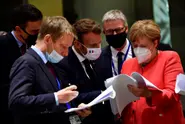
EU leaders emerged from a marathon four-day and four-night summit Tuesday to celebrate what they boasted was a historic rescue plan for economies left shattered by the coronavirus epidemic.
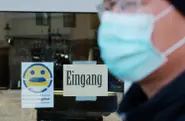
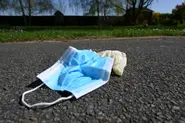
Face masks became mandatory in Germany at the end of April, but how effective are they? A new study highlighting the eastern city of Jena sheds some light on the controversial measure.
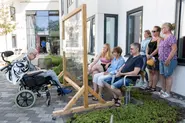
At least 234 of Sweden's 290 municipalities have elderly care homes with confirmed or suspected coronavirus cases. But a handful seem to have been able to protect residents from Covid-19, in some cases despite staff being infected. So what did they do differently, and could their strategies be applies elsewhere?
The UK government will lift its 14-day compulsory quarantine requirement for arrivals in England from “lower risk countries” including Spain, Germany, France and Italy, but not Sweden. The restriction may continue to apply for those arriving in Scotland, Wales and Northern Ireland.
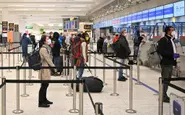
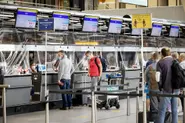
EU countries have finally agreed to reopen their external borders on July 1st to visitors from 15 countries but American tourists will still not be allowed to travel to Europe because the US is still considered a risk due to the high number of Covid-19 cases.
It’s taken other countries in Europe months to develop an adequate coronavirus testing regime needed to combat the pandemic. Rachel Stern examines how Germany managed it much sooner and how the country continues to lead the way.
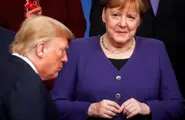
"Trust in Trump's America is gone." The coronavirus crisis has caused a dramatic deterioration in the European public perception of the US and left many believing the EU had become "irrelevant", new polling finds.
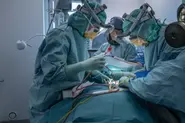
How did Sweden, a country with one of the lowest number of intensive care beds in Europe per capita manage to double it amid a global health crisis – and what were the sacrifices that had to be made?
American travellers look set to be denied entry to the EU when the bloc reopens its borders on July 1st, according to reports. While those from Australia and New Zealand will likely to be allowed to return.
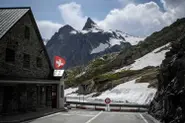
The coronavirus pandemic and the pressure to close borders presented a unique challenge for Switzerland. Daniel Wighton looks at how significant and speedy action was taken to protect the country's legion of cross-border workers and avoid a catastrophe in its health service.
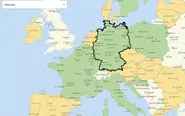
The new website Re-open.eu gives detailed, country-specific information about potential travel restrictions, what services are open as well as the latest on the coronavirus spread.
As European countries emerge from their coronavirus lockdowns and lift travel restrictions to revive their tourist industries, the EU has been aiming to coordinate the border reopening among its 27 members. But it hasn't quite worked out like that.
The French state has forked out billions for self-employed and small business owners whose livelihoods have been threatened by the coronavirus lockdown. But how effective is the rescue plan?
From June 8th, the UK has introduced a compulsory 14-day quarantine for all arrivals to its shores - here's what you need to know about the rules if you are travelling from Europe.
The Local sat down with the man at the forefront of the World Health Organisation's quest for a coronavirus treatment to ask whether reopening our societies will create a second wave and what happens when populism meets science.
As countries across Europe ease their coronavirus lockdowns, many may look to Sweden to see how the Scandinavian country has fared without tight restrictions. They could learn both from its failures and from cautious signs of what's working.
In a new series of articles, The Local's journalists across Europe will take an in-depth look at the responses to different parts of the crisis, what's worked, what hasn't, and why.
Europe is slowly reopening after weeks of lockdown and tight restrictions on movement. Our journalists and contributors around Europe look at the possibility of foreign travel this summer and report on the latest developments around borders reopening.
Tentatively, parts of Europe are emerging from lockdown, with France and Belgium joining the list of countries easing measures on Monday, amid fears of a second coronavirus wave.
Have governments around Europe made too many mistakes in handling the coronavirus crisis or is the public behind them? Our reporters and contributors from eight different countries gauge the public mood and levels of satisfaction in their leaders.
As several European nations begin relaxing their lockdowns following an initial peak in COVID-19 cases, attention is turning to
how they can avoid a "second wave" of infections as social distancing is eased.
While curves are flattening and countries around Europe are moving towards ending restrictions many questions and worries remain about what life after lockdown will hold for us all. Here's the latest insights from our journalists and contributors on what's happening around Europe.
With signs in some European countries that the coronavirus pandemic may have reached a plateau, governments are looking at
how to lift lockdown restrictions on their crippled businesses and restless populations.