Your guide to healthcare in Spain
Spain is known to have excellent healthcare systems, both public and private.
It's inevitable that at some point living in Spain you will need to see a doctor, so it's important to do your research and make sure you've got the coverage you need, and that you know how it all works before you need to see a professional.
Public healthcare
Spain has a great public healthcare system, but many foreigners are confused by how it works and if all foreigners in the country have access to it or not. Spain's health ministry has at least made recent efforts to clear up this confusion.
Another common question among those wanting to move to Spain is if they will have access to the Spanish public healthcare system even if they only work part-time or a few hours a week. In order to understand the answer to this question, you need to be aware of several rules on who has the right to public healthcare in Spain.
If you're eligible for public healthcare, primarily by working and paying social security, your first step will be to apply for a health card. If you have children and a partner who doesn't work, you can also add them as a beneficiary, so they can access health cover too.
Another way to get public health cover in Spain is to pay for it through the convenio espeical although you'll need to find out if this system works for you or if you're better off getting private healthcare.
It's important to know that each region of Spain has its own healthcare system, but if you're travelling or temporarily working in another area, it is possible to get access to healthcare in another region of the country.
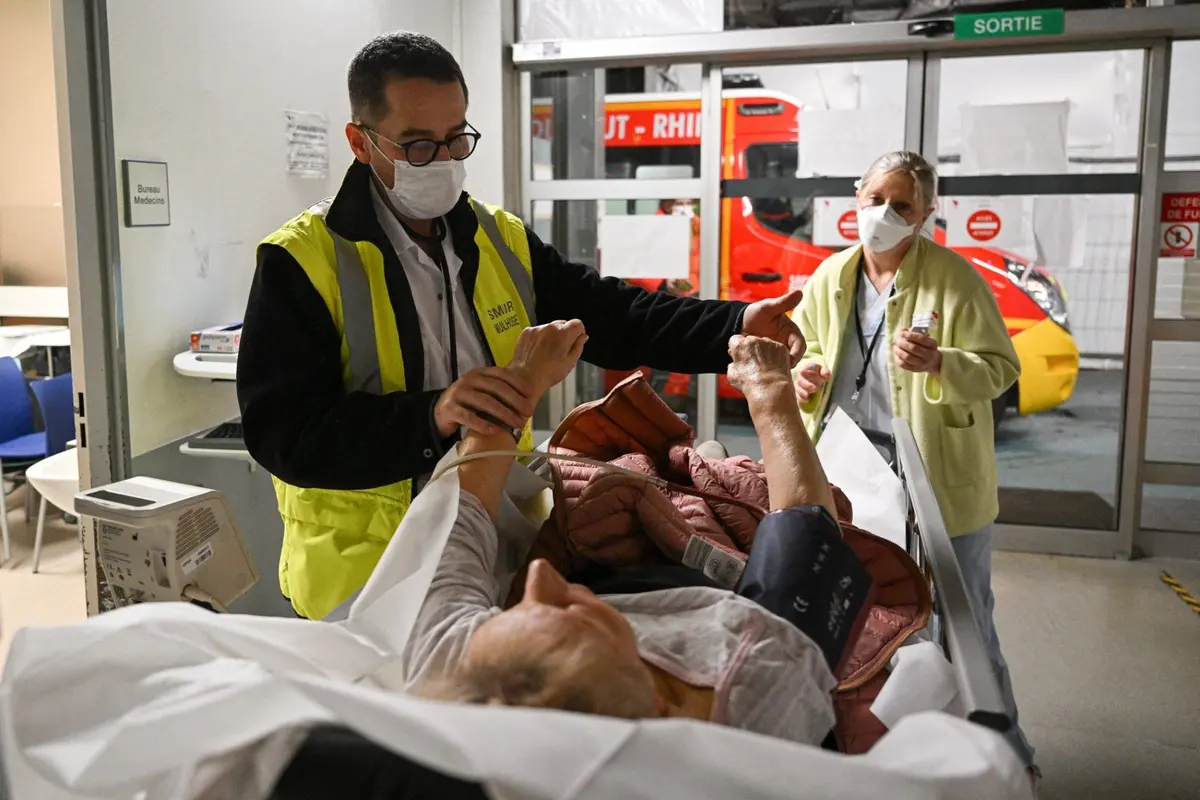
Is public healthcare free for everyone in Spain? (Photo by SEBASTIEN BOZON / AFP)
Private healthcare
Private health insurance is a requirement for many different types of Spanish visas, so it's key to know which are the best private health providers for foreigners in Spain.
You may also want to find out which private health insurance policies cover pre-existing conditions, as this can be a requirement for some residency visas.
If you have private healthcare it means you won't be able to access the public health clinics, instead you'll go to specialised clinics and hospitals associated with your insurer or ones that accept coverage from different providers. The good news is that some private health costs are tax deductible in Spain.
Seeing a doctor
Seeing a doctor in Spain is pretty straightforward, whether you have public or private health cover, you may just have to wait longer through the public system.
But what may not be straightforward for you is that a lot of time you'll have to communicate your problems in Spanish. The Local's handy health and language guides will help including one on what to say and do if you fall sick in Spain and another on the names of all the different types of Spanish medical specialists.
Medical specialities
If you already have an important health issue, you'll want to make sure you can manage while living in Spain and how you can access specialists. Unfortunately, there are often long waits in the public health system for these services so it can be slow.
If you have private healthcare, depending on your policy and how long you've had it, you may be able to go directly to a specialist without having to contact a GP first.
If you want to see a physiotherapist in Spain, there are certain things you will need to know, from how long you have to wait for a referral in public health to whether it's covered by private insurers, and what a physio session costs on average.
If you a struggling with poor eyesight you will be interested in finding out who can get free glasses and contact lenses in Spain.
If you have diabetes, there are several factors you should consider when managing your disease here such as how long can you expect to wait to se a specialist doctor. Equally if you have a physical disability, you need to be aware of what daily life will be in Spain and what help you'll have access to.
There is also plenty of help in Spain for those who want to quit smoking, including medication and therapy sessions.
Mental health
The importance of mental health is becoming increasingly recognised in Spain. If you suffer from a mental health condition or simply feel like life is a bit too much sometimes and you need someone to talk to, there are ways to see a public health therapist in Spain.
You can also find an English-speaking therapist in Spain if you feel more comfortable in your native language.
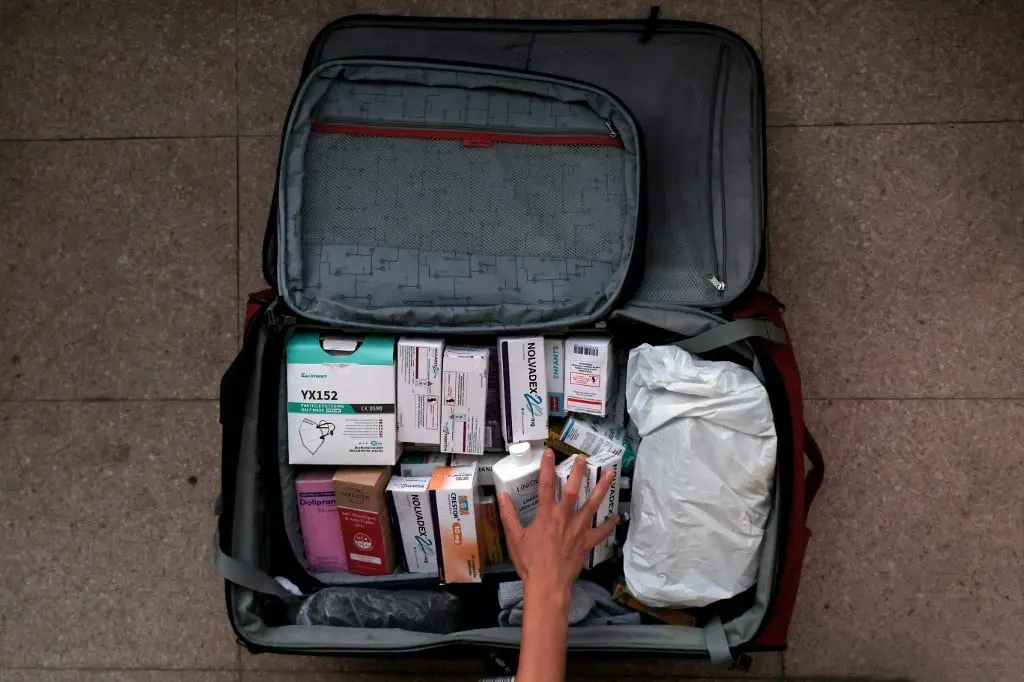
Spanish law allows you to carry your own personal medication for treatments of up to three months, as long as it is accompanied by a medical prescription. (Photo by Christina ASSI / AFP)
Medicines and prescriptions
Prescriptions are subsidised by the Spanish government if you have public healthcare, meaning you'll still usually have to pay something, but at a reduced price. Private healthcare may sometimes cover medication, depending on what it is. But sometimes there are instances when you want to bring your own medicine into Spain from your home country, so keep in mind the limits on bringing medicines into Spain.
Sick leave from work
If you work in Spain or are self employed, you are entitled to sick leave and in some instances sick pay too. Find out how long you can take off work for health reasons and how long you can take off work in general without needing a doctor’s note.
Fertility treatments
Spain is seen as one of the leading countries in the world for IVF fertility treatments and many come from abroad to seek help from its specialised clinics.
But fertility treatments are also available through the public healthcare system. Both lesbians and single women can access these types of treatments here.
To truly understand how it all works, read up on the IVF rules in Spain.
Healthcare for the elderly
Health becomes increasingly vital as you get older, so you'll want to make sure you have adequate cover if you retire here.
Besides private health insurance, if you've already been living in Spain for a year, you also have the opportunity to change from private health care to public by getting what's known as the convenio especial. Read our guide to find out all about it and the pros and cons of the convenio especial.
Those retiring to Spain from the UK can also apply for S1 one form, which means they will be able to access to the public health system even if they're not paying social security here.
You may also want to know if you can move into a Spanish care home as a foreigner if necessary in the future.
You may also be surprised to find out how Spain's healthcare compares with the US.

By Esme Fox
Originally from the UK, Esme grew up in various countries around the world. She decided to settle in Spain in 2014 and has lived in both Granada and Barcelona. She is a regular contributor to The Local Spain.