We all know the stereotypes about Spanish people, but once you've lived in Spain for some time you pick up on other idiosyncrasies Spaniards have which are fairly unknown to outsiders, and often quite amusing.
Spain is a fantastic country to bring up kids thanks to the weather, the safety and Spaniards' overall love of children, but that doesn't mean there aren't aspects of Spanish child-rearing that surprise foreigners.
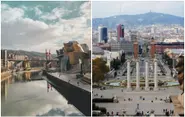
Spain's population density is a European anomaly, with 90 percent of residents living in just 2.6 percent of the country. Why is it that the cities are so crowded while huge parts of the country's interior are empty?
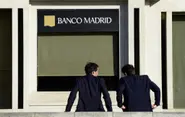
If you want to get anything done at the bank in Spain, you better get there early, as the vast majority of 'bancos' close at 2pm and don't open after lunch.
People from Spain's south eastern region of Murcia, where tennis superstar Carlos Alcaraz hails from, often take a lot of flack from other Spaniards, to the point where the long-running joke is that 'Murcia doesn't exist'.
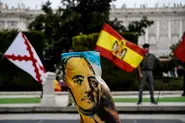
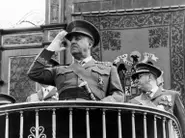
Spain on Thursday marks the 50th anniversary of General Francisco Franco's death with political polarisation exacerbating deep-rooted and bitter divisions over the dictator's legacy.
Want to learn more about Spanish history, culture, music and all those idiosyncrasies that make it so unique? These documentaries, some available to watch for free, offer true insight into what makes Spain the fascinating country that it is.
What makes Spain and Spaniards tick? These unwritten rules will help you understand some of the traits of the national psyche, from the Spanish attitude to work to what Spaniards prioritise in life.
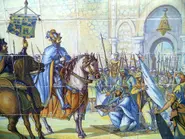
The so-called Reconquista (Reconquest) has led many to believe that Spaniards recovered and united their country after 800 years of Moorish conquest. However, the history of ‘España’ as a nation is a lot more complicated than that.
How can you tell Spain's regional accents apart? Where do they drop the ‘s’? And is there a 'best' and 'worst' accent? This detailed guide tells you all you need to know about the accents which people have across Spain’s regions.
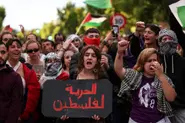
Spain has been at the forefront of the international pro-Palestine effort, more so than any other European nation. Where does this fervent stance come from? And is support as clear cut among Spaniards as it is the government?
2025 marks 50 years since dictator Francisco Franco died, an event which propelled Spain into democracy and modernity. There are plenty of myths about what the fascist leader did for Spain, but here are five ways in which he did change Spanish society.
Spaniards rarely watch anything foreign in its original language, and the country's cultural obsession with dubbing almost every single non-Spanish language film and TV series has roots in history and business.
With its sun-drenched beaches and vibrant nightlife, Spain has long been a top destination -- not just for tourists, but also for criminals looking to vanish.
Despite being known for its year-long sunny weather, Spain is the EU country with the fewest homes with natural light, often intentionally. Why is it that when it comes to spending time at home, Spaniards seem to love being in the dark?
Inheriting a home from their deceased parents will increasingly determine whether young people in Spain are rich or poor in future, as the housing crisis and unstable job market make it impossible for them to get on the property ladder any other way.
Both Lamine Yamal and Nico Williams are the children of first-generation migrants in Spain; their skin colour and standout performances at Euro 2024 say plenty about the country’s changing demographics and reliance on migration to keep afloat.
It’s surprising that as one of Europe’s most important nations Spain did not take part in either World War One or Two. These are the main reasons which spared Spaniards from these devastating conflicts.
The green northern region’s drink of choice is cider but it’s the method waiters have of pouring it from a great height that catches the attention of ‘out-ciders’.
Spain is full of major international airports that serve millions of travellers per year. What many don't realise is that it's also home to several so-called 'ghost airports' that are lucky to welcome one passenger a day.
You've heard of the Brits in Alicante and the Germans in Mallorca. But how about Little Bulgaria in Segovia or Little Pakistan in La Rioja? As it turns out, Spain is also home to foreign communities in some pretty surprising places.