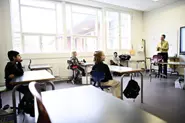
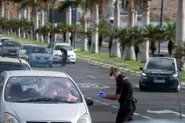
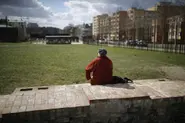
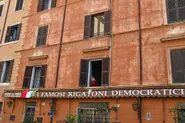
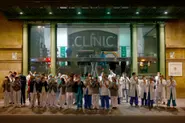
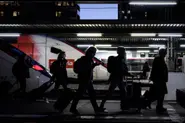
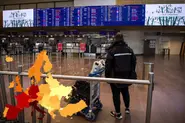
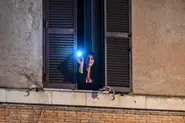
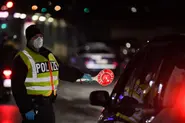
Tentatively, parts of Europe are emerging from lockdown, with France and Belgium joining the list of countries easing measures on Monday, amid fears of a second coronavirus wave.
Have governments around Europe made too many mistakes in handling the coronavirus crisis or is the public behind them? Our reporters and contributors from eight different countries gauge the public mood and levels of satisfaction in their leaders.
As several European nations begin relaxing their lockdowns following an initial peak in COVID-19 cases, attention is turning to
how they can avoid a "second wave" of infections as social distancing is eased.
While curves are flattening and countries around Europe are moving towards ending restrictions many questions and worries remain about what life after lockdown will hold for us all. Here's the latest insights from our journalists and contributors on what's happening around Europe.
With signs in some European countries that the coronavirus pandemic may have reached a plateau, governments are looking at
how to lift lockdown restrictions on their crippled businesses and restless populations.
AS the coronavirus epidemic continues to claim thousands of lives, how are different countries around Europe plotting a route back to normality? Our journalists and contributors give their latest insights.
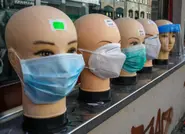
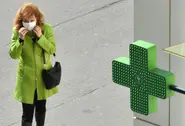
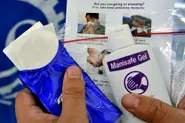
Having told their populations that wearing masks was all but useless against the coronavirus, several Western countries
have performed dramatic U-turns in the last few days. So what is the latest advice on wearing face masks? (Paywall free)
The Local's journalists and contributors from around Europe tell the story of how each country is coping with the pandemic and whether there's any light at the end of the tunnel.
Strict containment measures and social distancing measures might have
already saved up to 59,000 lives across 11 European countries battling the spread of the new coronavirus, scientists say. Here's a closer look.
As the coronavirus pandemic accelerates across Europe The Local's journalists and contributors shed light on the current situation in their country and how things have changed.
From Norway to France and Spain, the coronavirus lockdown in much of Europe
has pitted rural people against city-dwellers flocking to the countryside to
wait out the pandemic sweeping the continent.
The coronavirus pandemic has upended normal life across Europe. Here our journalists and contributors from across eight countries give an inside view on the situation where they are on Friday March 20th.
Living far away from family in these troubling times forces us to face unique challenges. But you are not alone, writes The Local's founder Paul Rapacioli.
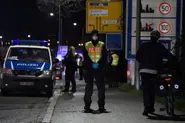
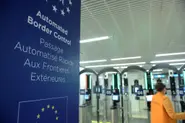
The European Union will impose an entry ban on travellers from outside the bloc for 30 days to battle the spread of the coronavirus, German Chancellor Angela Merkel said on Tuesday.
The European Union agreed to close its external borders as countries ramped up their lockdown measures in a bid to stem the spread of the coronavirus pandemic. Here's a look at how countries are tackling the crisis.
Quarantine, schools, shops and borders
closed, gatherings banned, here are the main measures that have been taken so far in Europe to
fight the spread of the novel coronavirus.
Aches and pains, sore throat, fever -- although they may feel similar to those suffering from their symptoms, the novel coronavirus is not the same as the seasonal flu, experts have stressed. (Paywall Free)
The coronavirus is spreading around Europe and the world, but what do we actually know about the virus so far and what are the best steps to take to avoid catching it? Watch The Local's free video by Alex Dunham.
It's fair to say the UK government's planned new post-Brexit immigration system - with its language requirements and minimum salary levels for EU migrants - has sparked worry among British groups in Europe.
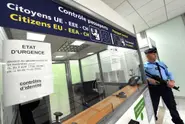
Brexit might have become reality, but Brits shouldn't experience any changes to travel within the EU until the end of the year. Although don't be surprised if officials, perhaps unwittingly try to usher you into the wrong passport queue.
The EU has given hundreds of thousands of Brits the chance to build lives abroad. Most Brits in Europe didn't choose Brexit, but now it's happening we have an important choice to make, writes The Local's James Savage.
Writing in The Local, Jane Golding, the co-chair of campaign group British in Europe explains what she'll be doing to mark Brexit on Friday, how the loss of freedom of movement is such an emotional and financial blow to many and how it feels to be neglected by a British government who promised Brits in the EU their rights would be protected.