
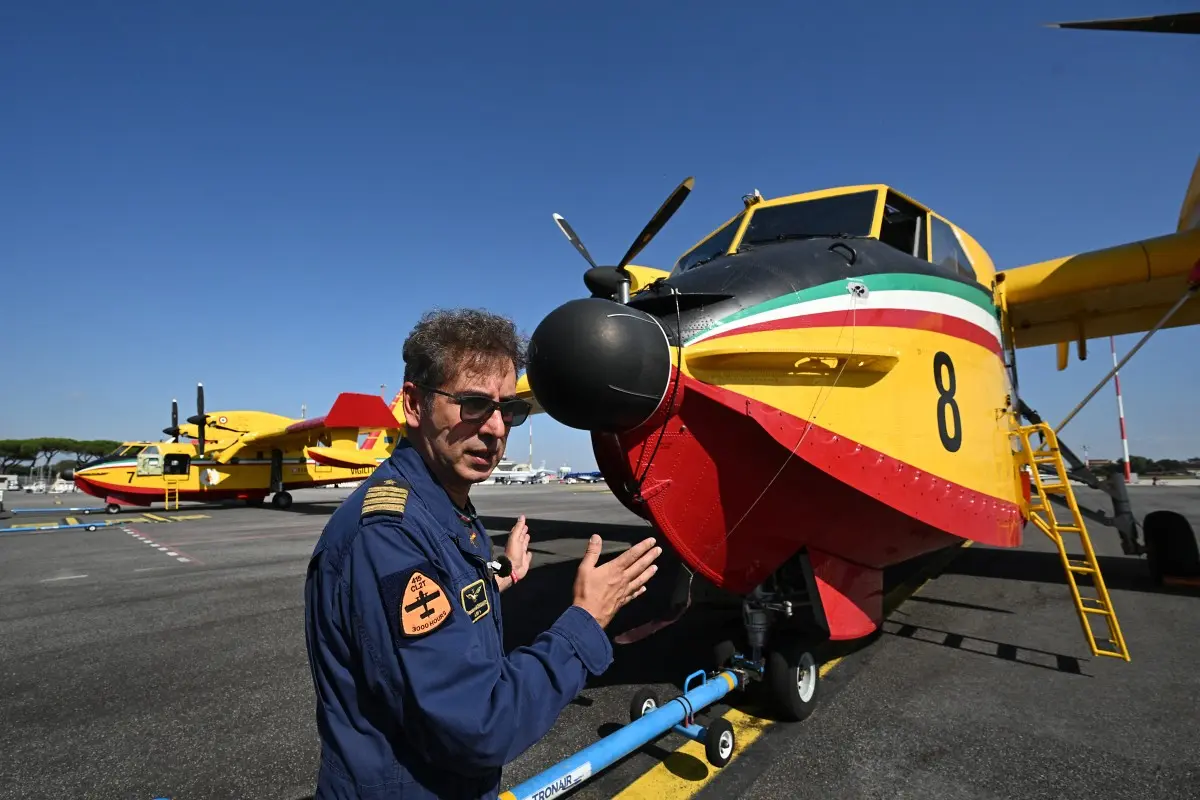
Italy operates one of the world's largest fleets of Canadair amphibious aircraft - part boat, part plane - that can respond quickly to a fire because they do not need to land to take on water from lakes, reservoirs or the sea.
This summer brought Italy's fourth-largest fire season since 2006, with 113,800 hectares burned in 645 fires, according to data from the European EFFIS system, keeping the country's 18 water bombers busy.
READ ALSO: Will the European Union take up the climate fight after brutal heatwaves?
But the planes were called to tackle wild blazes abroad too, as part of the European Union's shared firefighting resources, with the continent battling a historic fire season.
"At the start of the summer, we deployed to Portugal and Spain, where we faced two quite difficult situations," said Francesco Morgante, a pilot with Avincis, the company that manages the fleet on behalf of Italy's fire service.
Both countries saw devastating fires, threatening cities and tourist hotspots.
"After that, our own country required our full attention, particularly due to the emergency situation in northern Italy, which was quite unexpected and unusual this year," the 58-year-old Morgante told AFP.
READ ALSO: Why Europe won't get any new Canadair water bombers any time soon
The Canadair water bombers are manufactured exclusively by Calgary-based De Havilland.
Italy has the CL-415 model, but like many European countries is awaiting delivery of new-generation aircraft, the DHC-515, which comes with a price tag of around 100 million euros ($113 million).
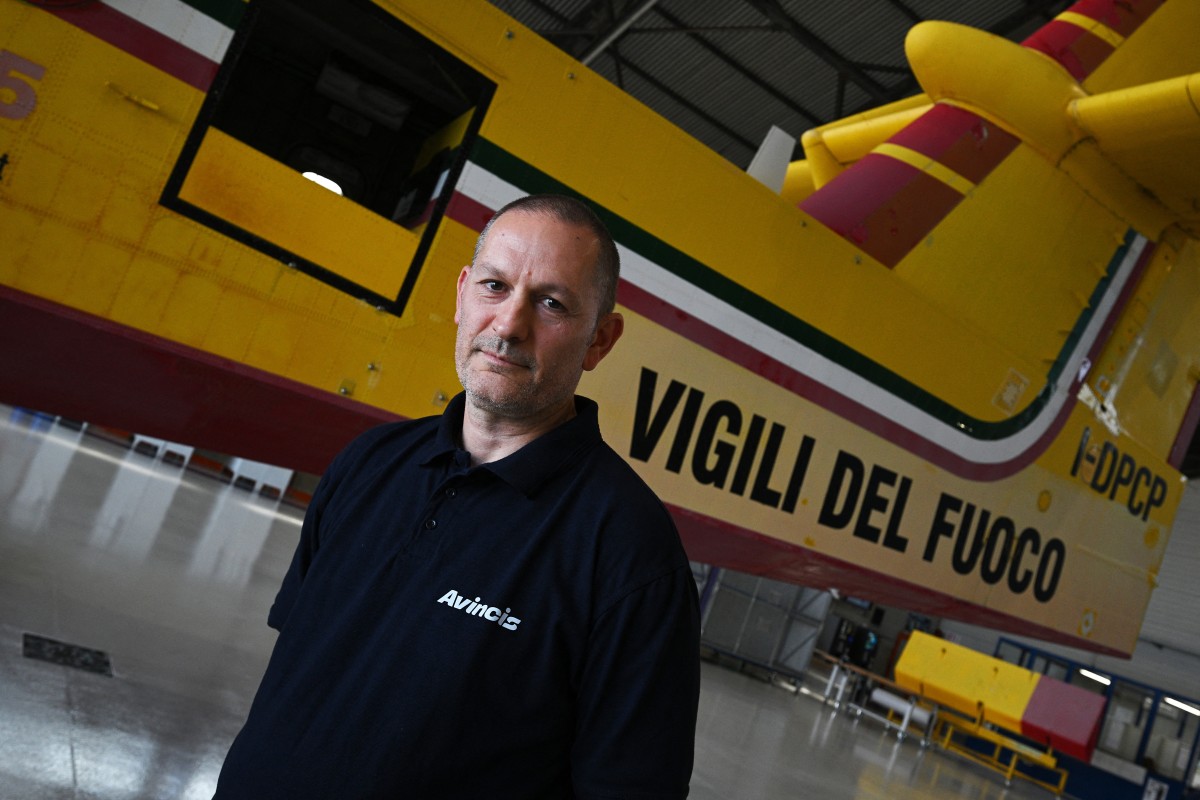
The in-depth checks are performed on every aircraft in the fleet over a period of several weeks after summer, Maurizio Tomassi, head of maintenance operations at Avincis, told AFP, adding they hope to complete the maintenance by March.
In the meantime, the closure of the last operational base in Calabria on October 31st will mark the official end of this year's summer season.
Western Europe has just recorded its hottest summer on record, with some 540,000 hectares going up in smoke across the European Union between mid-June and early September.
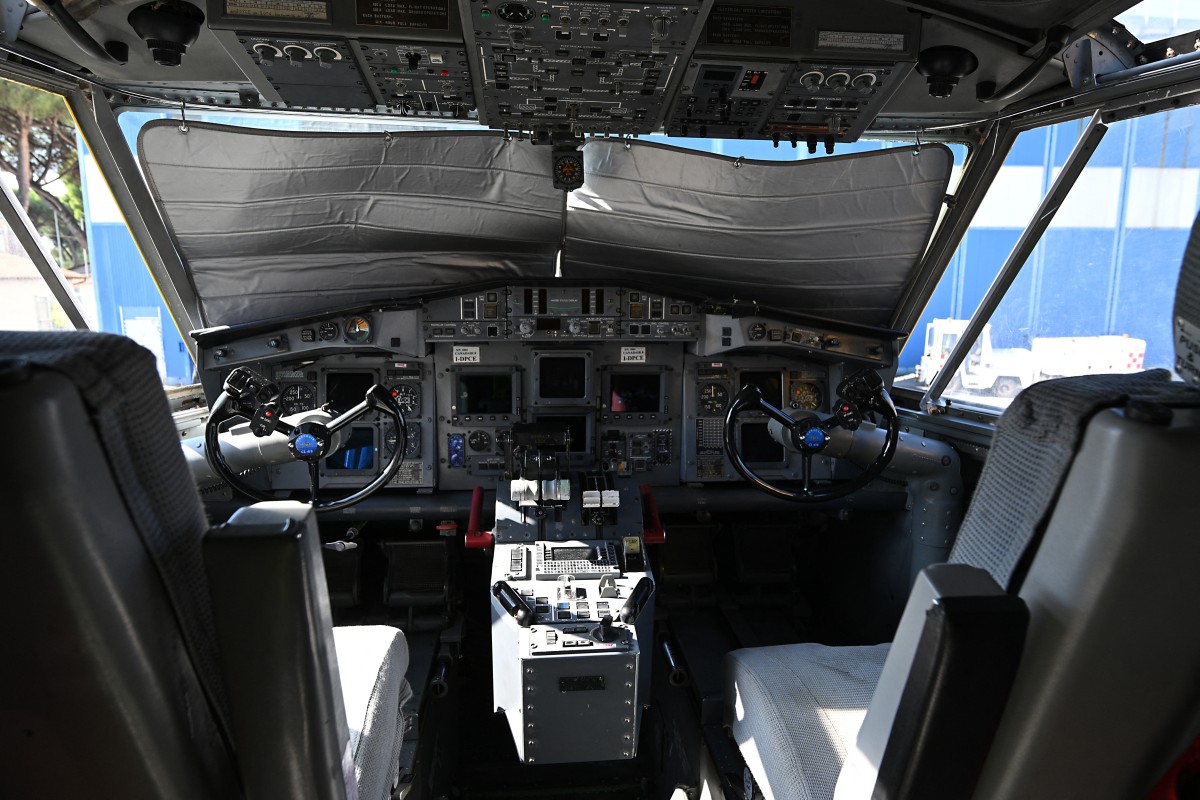
The Canadair is capable of scooping up over 6,000 litres of water in just 12 seconds without landing - thanks to two intakes beneath the fuselage - and dropping the load in three seconds, making it an "ideal tool" for firefighting, said Morgante.
A vast, newly renovated hangar houses planes undergoing inspection, including one with its twin turboprop engines exposed.
That makes the issue of how many Canadair fleets are available to member states more pressing than ever.
Over the years, there has been "a slow, gradual increase in the need" for the bombers, said Morgante.
"Having a fleet that meets our needs at both national and European levels... is essential," he said.
For pilots, technical staff and operational coordinators alike, this summer will go down in the record books.
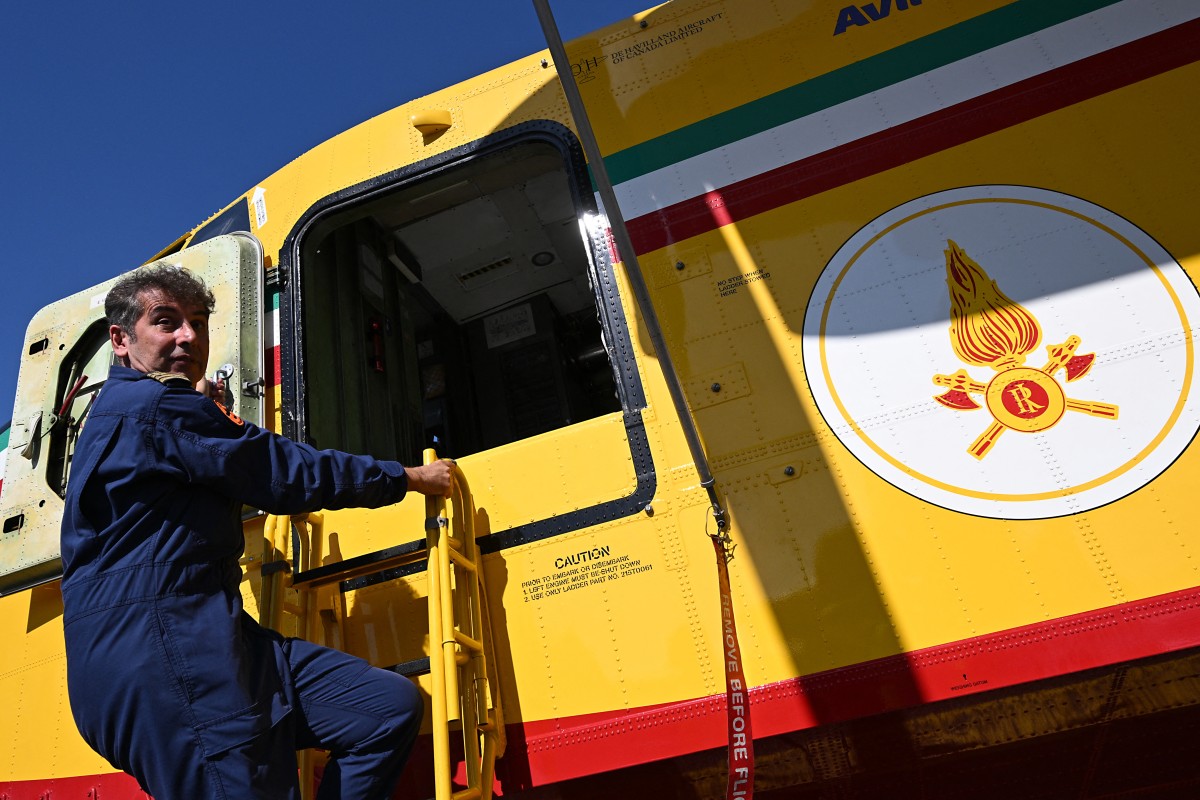
"We didn't get that moment when a summer storm rolls in, the temperature drops by three or four degrees, and you get a two-day break before things potentially pick up again -- if they pick up at all," Morgante said.
"That weather 'break' simply didn't happen."
Alessandro Sette, the 50-year-old head of the operations room which handles incoming requests from the Italian Civil Protection agency, agreed it has been "an exceptional summer".
"Work started early in the morning because the planes took off at first light... and operations usually wrapped up at dusk, making for long, intense days," he said.
But on this quiet late-September morning, there is no movement on the screen used to track aircraft flight paths.
"Practically all the planes are on the ground," he said with satisfaction.
By AFP's Juliette Rabat
Comments (1)