
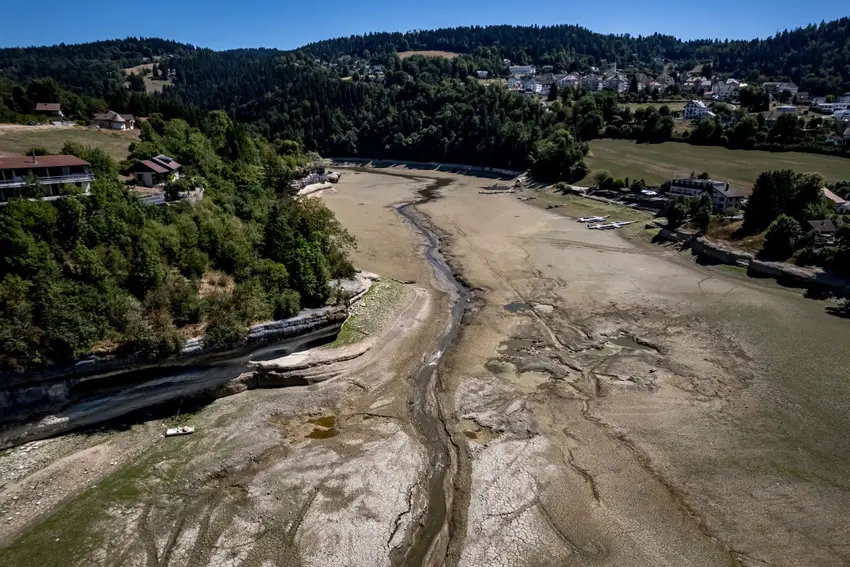
Suffering a "historical and critical" drought, France has now imposed the highest level of water restrictions in 61 of its 96 mainland départements.
In its latest assessment, published on August 3rd, the Office français de la biodiversité said monitoring carried out across the country revealed an unprecedented deterioration in the condition of small rivers and streams by the end of July.
As of Tuesday, August 4th, 61 départements have imposed the highest level of restrictions - crise - in part or all of the département.
Water restrictions are imposed at a commune level and are placed at four grades; vigilance, alert, alert renforcée and crise.
You can search by postcode or commune name to find restrictions in your part of France via the government's VigiEau map HERE.
READ ALSO: LATEST: Maps of all the water restrictions in place in France
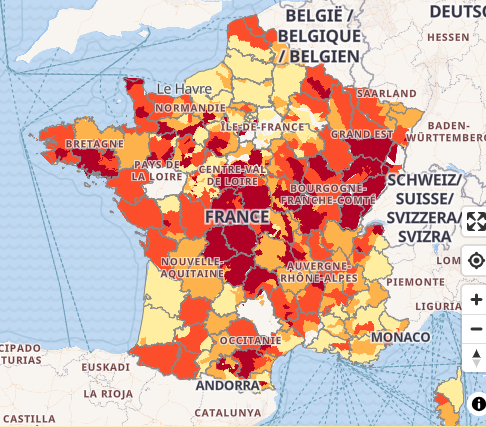
Here's what it means if you live in an area on 'crisis' level alert, coloured red on the map - breaking any of these rules can net you a €1,500 fine.
You can find details of the lower levels of restriction here.
Gardens - it is forbidden to water lawns, flowerbeds, golf courses or other green spaces. Vegetable gardens can be watered, but only between the hours of 8pm and 8am.
Unlike the UK, France does not impose 'hosepipe bans' - the ban is on watering the garden whether you use a hose, sprinkler, watering can or any other method.
Pools - it is forbidden to fill or drain/refill private swimming pools measuring more than one square metre. Smaller pools (like children's paddling pools) are allowed, while municipal swimming pools remain open.
Cleaning - it is forbidden to wash cars or other vehicles at home, while commercial car washes are generally closed, unless they are used for vital work such as cleaning emergency vehicles. It is forbidden to wash pavements, driveways, building facades or other hard surfaces.
Fountains - ornamental fountains or water features, whether in private or public spaces, should be switched off.
Taking water - it is forbidden to take water from the natural environment, such as rivers, streams or lakes.
In some areas this includes taking water from a private well on your property, check with your mairie if this applies. If restrictions are imposed, they usually refer to l'eau brut, which means water from a private source such as a well or a spring, rather than the mains system.
Local restrictions - in some areas, local mairies may have imposed extra local restrictions. If you are in a crise area, you may receive a communication from the mairie advising of extra restrictions, or you can also find the information on their website or the commune noticeboard.
Domestic use - domestic water use for purposes such as washing and cleaning is not restricted, although people in crise areas are advised to save water where they can in order to preserve local supplies. Drinking water is not affected, and during heatwaves people are advised to ensure that they stay hydrated in order to avoid health risks such as dehydration and heatstroke - this also applies to pets.
Is the water likely to run out?
The situation in areas on crise alert is undoubtedly serious, but is it likely that the taps will run dry? Although rare, this can happen, usually in small villages or isolated communities.
If this happens, it is the responsibility of the local mairie to ensure that each household has clean drinking water - this usually involves arranging for tanker deliveries to fill local water towers, although if this is not possible, bottled water is distributed to households.
READ ALSO: Drought: Could tap water run out in France this summer?
Comments