
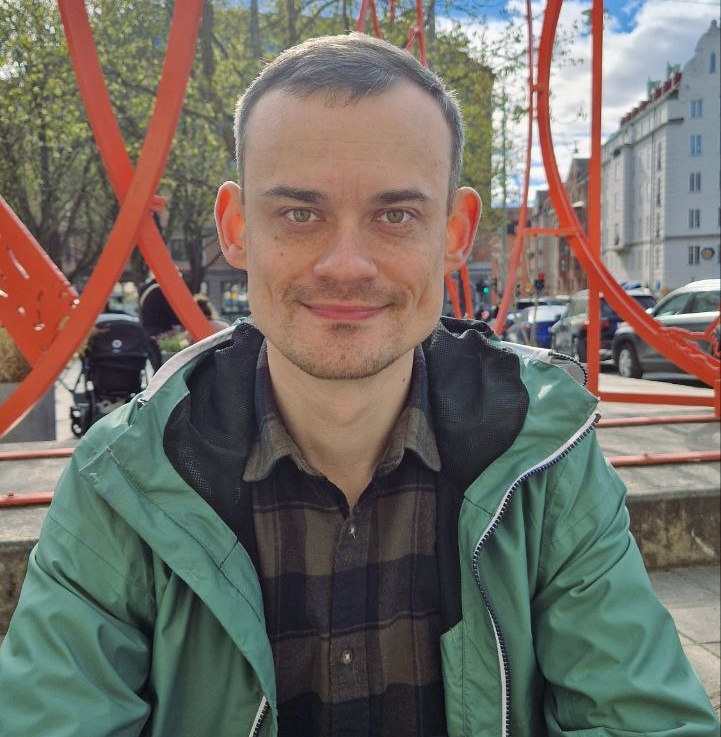
The first thing Volodymyr Rubinets does every night before he goes to sleep is to log into the Migration Agency website to see if there's been an update on his citizenship application.
"It's just better to see it with your own eyes. I just need to open that website and see 'OK, nothing happened, OK, now I can go to sleep'," he tells The Local.
He is one of 100,000 in the queue, hoping they will get news before June 6th, after which their application will be judged against new, and tougher, rules for Swedish citizenship, which didn't exist when he applied two years ago, let alone when he moved here in 2019.
"Right now I'm just in limbo. I'm opening the Migration Agency website like two, three times a day – maybe they will have a personal appearance request and maybe they will make a decision very soon after," he says, while increasingly coming to the realisation that with only a week to go, his future as a Swedish citizen is fast slipping through his hands.
"But you know, I just cannot accept it yet. I cannot accept that."
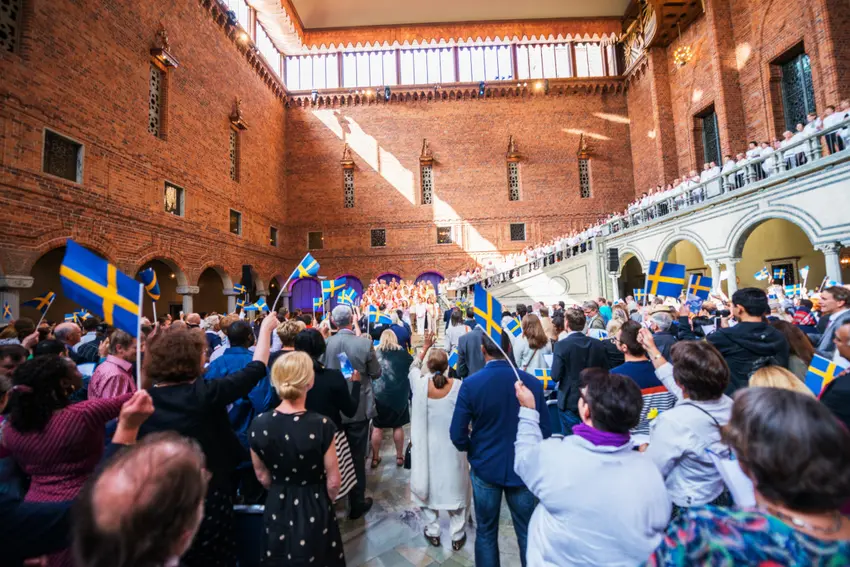
On June 6th, Swedes – old and new – will celebrate National Day, and municipalities up and down the country will organise festivities for those who got their citizenship in the past year.
When Ffion McEvoy applied for citizenship in 2023, she thought she'd be one of them.
As the partner of a Swede, she was at the time able to apply for citizenship after three years rather than the standard five, a timeline that will now more than double for people like her.
The new rules include an eight-year residency requirement, or seven years for family members, which means that families of Swedes are the category that will be seeing the biggest change, a move criticised by Svenskar i världen, a group for Swedes abroad.
"I speak Swedish. I've spent years in both SFI, and then lots of evening classes, twice a week, two and a half years at Lund University. I feel like I've really battled to get Swedish into my head and up my skills, and I've also been very involved in youth political groups, and was really excited to vote for the first time in the general election in autumn," says McEvoy.
Instead, having studied climate and international relations and being about to graduate, she will be stuck in a catch-22 where most Swedish climate jobs require citizenship, whereas in the other countries she has links to – Ireland and the UK – jobs in her field tend to require applicants to already be living there, sometimes for a few years, when they apply.
She stresses that she is privileged as someone who will be able to rebuild her life elsewhere. But realising that to secure a job in your field after graduation, you're going to have to leave the country where you've got your partner, friends and dreams, is easy for no one.
"Devastating is the word that I keep coming back to, because I feel like over the last few months I've had so much hope that things could still change, or that people would see reason and switch. But it feels like that's been day by day chipped away, and I felt the foundation of my life here crumble away from me – and all of these future visions and dreams and plans I had for my life have just slowly started to dissolve," she says.
'I'm extremely disappointed'
In 2019, Rubinets was still in Ukraine, but was thinking about moving. He also considered the UK and the Netherlands, but chose Sweden due to its simpler path to citizenship. A skilled software engineer, he didn't have any problems finding a job, and always got his residence permit renewals from the Migration Agency relatively quickly and painlessly.
Until he applied for citizenship in 2024. The Migration Agency eventually requested his passport and held on to it for four months, then sent it back in January 2026. Since then he has heard nothing, despite a court ordering the agency to conclude his case almost a year ago.
He believes the uncertainty is destroying his marriage, having convinced his wife to leave her life in Ukraine and join him in Sweden after Russia's full-scale invasion in 2022.
"But when I applied and didn't get an answer in one year, it started to affect our relationship. Now she's started to talk about divorcing, and she moved back to Ukraine, she took all of her things. I'm still trying to fix it somehow, but the probability that I will get citizenship before the sixth of June is very low and I cannot offer her predictability," says Rubinets.
"Let's say I don't get citizenship before the sixth of June. Then I will probably be rejected because I don't fulfil the eight-year requirement. Then I will have to wait two years to apply again, and then since the average processing time at the Migration Agency is now like four years, I will probably have to wait four more years again. (...) So I'm now in the same situation that I was when I came, which makes me regret that I chose Sweden in this case, because if I had chosen the Netherlands or the UK I would get citizenship already."
"I'm extremely disappointed, and completely destroyed, to be honest."
Everyone profiled in this article has had a request to conclude granted by a court, a right in Swedish administrative law which lets citizenship applicants request an expedited decision if their case has not been decided within six months. In theory, it should work. In practice, it doesn't.
There are around 13,000 applicants whose request to conclude has been granted. Most of them will not get their citizenship in time. The Migration Agency is just too snowed under.
The hard truth is this: If you have already had your personal appearance, an in-person appointment at the Migration Agency which is usually the last step of the process, you may still have a chance of getting citizenship before June 6th, assuming your case officer doesn't fall sick or go on their summer vacation on June 1st.
If you haven't yet had your personal appearance, time is running out, with relatively few available slots left in the next week, even if you were to get called to a meeting.
And if you haven't even been assigned a case officer, you're probably better off withdrawing your application in the hope of securing a partial refund, to avoid having paid the full fee for nothing.
'People don't realise how emotional this can feel'
Social media groups for citizenship applicants in Sweden are abuzz with people sharing timelines of how long it took them to get their citizenship after they sent in their passport, after they filled out the security questionnaire, after they had their personal appearance.
There are no clear answers. Even the Migration Agency, when The Local asked, could not provide statistics on average waiting times between a personal appearance and decision.
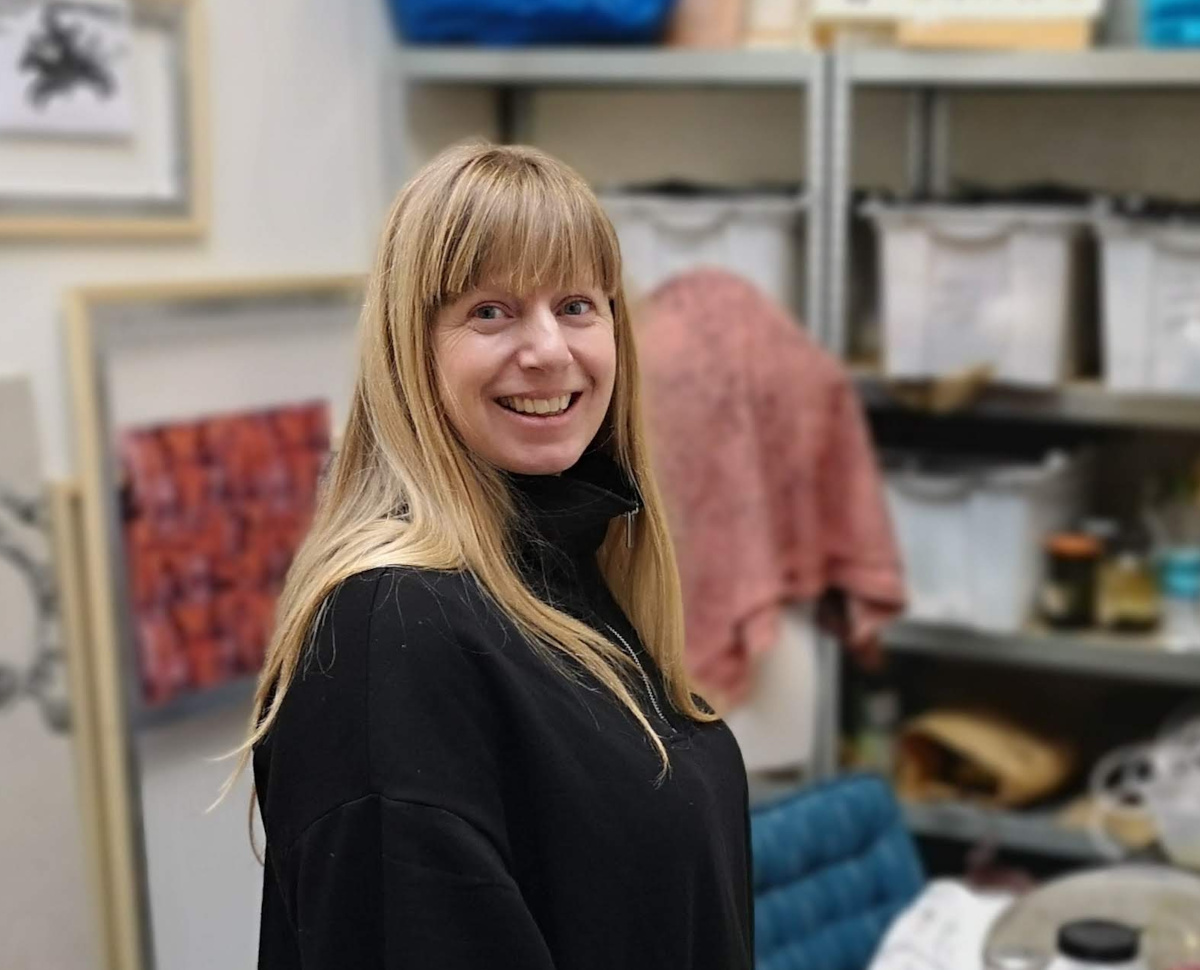
Sigrid Holmwood is one of the lucky ones. She got her citizenship on May 4th, two and a half years after she applied, and five months after her request to conclude was granted in court.
"Oh my god, it's just such a relief. Massive weight off my shoulders," she says. "It's been awful. I've been crying, I've been sleeping badly. I have a lot less riding on it, in the sense that I have a more secure situation and am unlikely to ever be deported or have my residency status removed, and I've [still] been going crazy over it," says Holmwood.
She's been involved in the campaign for transitional rules and is now running a Whatsapp group for those who want to be able to prove their civics skills before the formal test is in place, trying to help those who are going to fall on the wrong side of the June 6th divide.
"I think people don't realise how emotional this can feel, and I think it's incredibly insulting the way politicians have talked about handing out citizenship in a flingpaket, a cereal box, as if people who've applied haven't taken it seriously themselves. It's huge, and it's so awful for people not to feel welcome, to feel unwanted, hated, and deep insecurity," she says.
A lot of people The Local has spoken with over the years struggle in particular with the insecurity of not knowing when you're going to get a decision – citizenship processing times have in the past ranged between weeks to several years. You end up searching for answers and signs where there are none, to feel in control of your own life. It consumes you.
Holmwood herself admits to phoning her case officer every single day every 10 minutes during her telephone time for a whole week, before discovering she was on holiday.
"You can really spiral," agrees Ffion McEvoy. "I have a case officer, so I have his phone number and his email. But the temptation to write a daily diary entry of 'these are the struggles I'm dealing with today because of this situation and if you could please have mercy…' Holding yourself back from getting too absorbed by the whole thing is a challenge."
What's so strange is the feeling that you're in a bubble where most native Swedes are not just unaffected by the problem, but many are either unsympathetic or completely unaware – whereas to a lot of the 100,000 people in the queue, it's the only thing they can think about.
"I know for myself and the thousands of people in a similar situation, this has been all-consuming and such a constant source of stress and anguish, and really negative feelings. To see that the world around you is, if not blind, then less caring about the situation, or less aware of it 'sticks in the eye', to use a Swedish expression," says McEvoy.
'It's a gut punch'
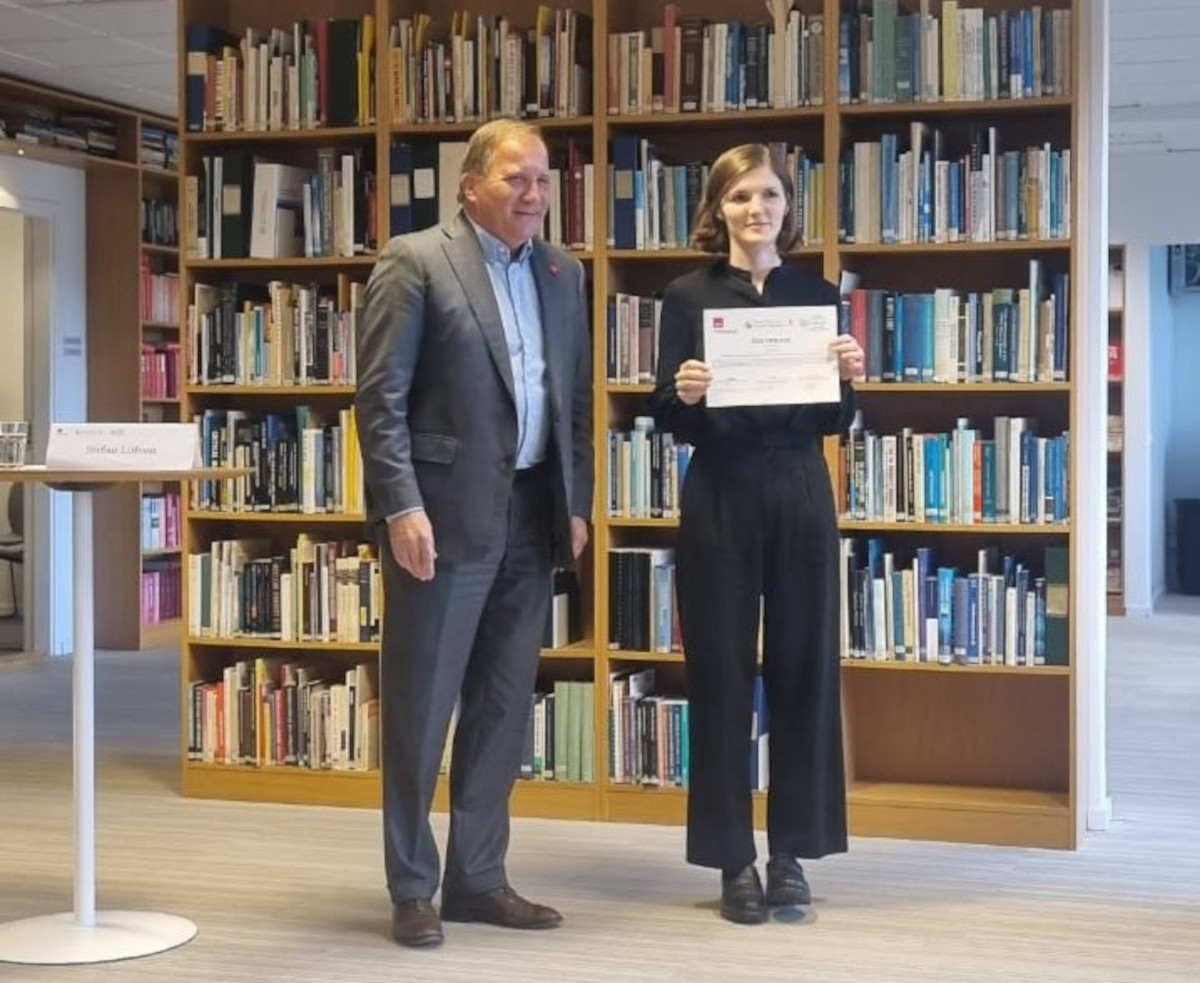
Victoria Heisler is a dual US-German citizen and in her job at the Raoul Wallenberg Institute which promotes human rights ("the irony isn't lost on me"), she meets a lot of people who ask if she's Swedish, to which she has to say no, and she won't be any time soon. She applied last year and doesn't yet have a case officer, which means that as the partner of a Swede, she, like McEvoy, is going to have to wait an additional four years to reapply.
In the meantime, she says that her EU passport offers comfort that isn't awarded to third country nationals. But it's no guarantee. The birth of her half-Swedish child in 2024 made it important to her to have the same citizenship as her child, to safeguard her family's future.
"It's a gut punch. I feel really emotional about it. We've been building a life here and building security. We bought an apartment. I have a permanent contract at my job. I feel like we are contributing members of society. We meet all the rules. I speak Swedish and to just change the rules mid-game is insane," she says, welling up as she talks about how she had been looking forward to feeling like she belonged in Sweden, feeling like she was welcome.
"For me, it's really important to be able to vote for the things that shape my future and my child's future. To see all of this happening and feel completely disenfranchised, as I can't effect change. I can scream until I'm blue in the face, but unless I convince a Swede to vote in my best interest, it does nothing. I wanted that ease of knowing that at least in September I can go to the polls and try to make this right," she says.
She was one of many prospective citizens who wrote letters to MPs in the run-up to the vote in parliament on April 29th. With the sudden support of two independents, the opposition's bid for transitional rules would have won, had it not been for the anti-immigration Sweden Democrats' decision to send in two MPs to vote at the last second, despite having pledged to withhold them in accordance with parliament's long-standing "pairing system".
The incident sent shockwaves through Swedish politics when it was revealed by The Local, but the government parties have so far rejected the opposition's call for a revote.
"I was so proud that we managed to sway two MPs to our side, and then to have it ripped away – as if them changing their minds was somehow undemocratic – was a shock," says Heisler. "It's the first time I felt like maybe our family should not be in Sweden any more. It's a really wonderful place, but this has made me reconsider our lives here, which is horrible."
But while she has lost hope that she's going to become a Swedish citizen any time soon, she is still hopeful that the campaign has shown that foreigners have a voice in Sweden.
"We've done a really good job at showing that the people waiting for citizenship aren't this block of criminals that we've been equated with," she says. "I hope people aren't discouraged, because if we can harness this power, it's an incredible block of people."
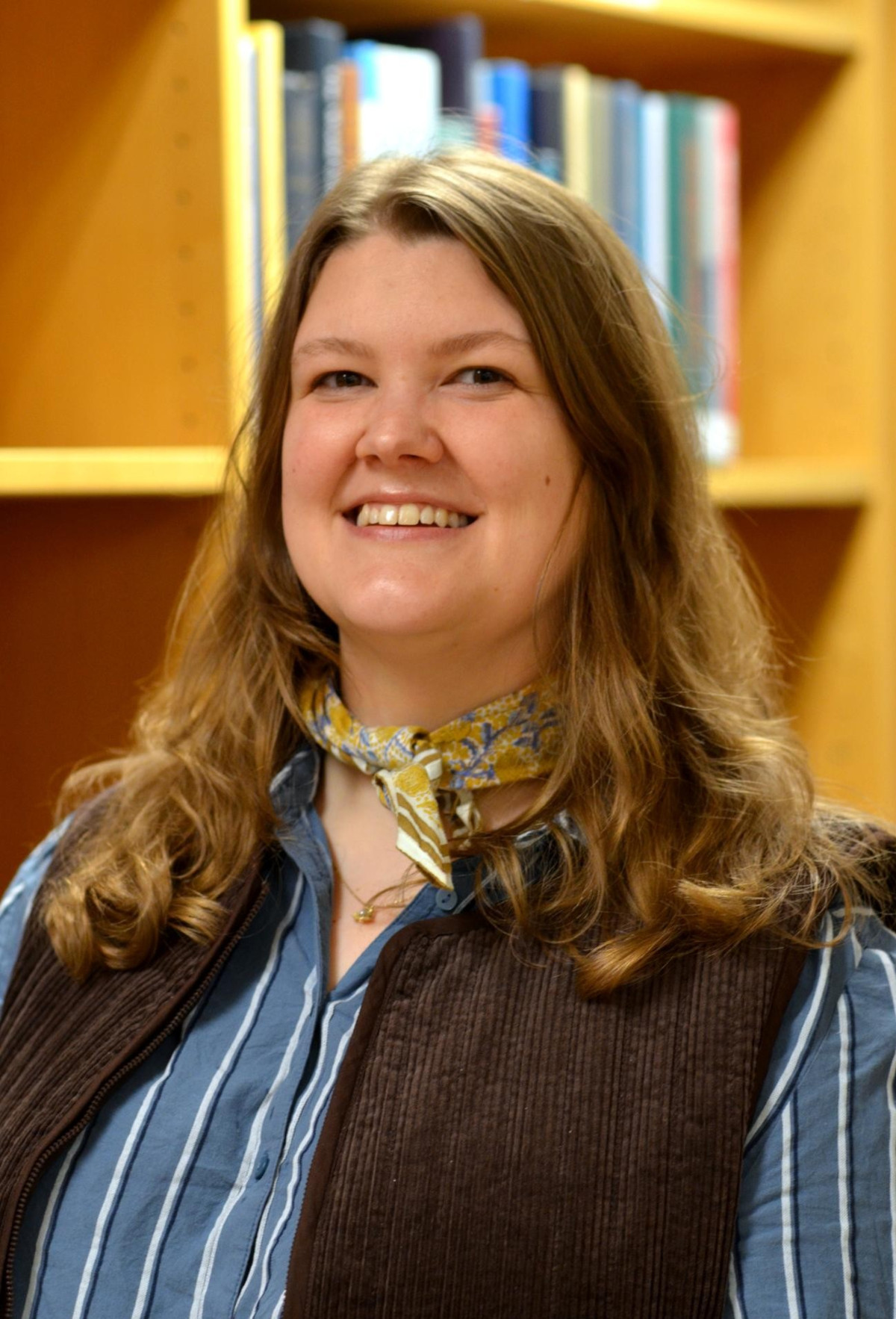
Discouraged or not, one of the points she and the others come back to is that having transitional rules snatched away at the last second has undermined their trust in Sweden.
"Before it was so interesting for me to learn Swedish culture," says Volodymyr Rubinets. "Every time when I was attending Swedish lessons it was like 'oh they say this in this way, they say this and this, it's so interesting, it's so nice to learn something'. But now I feel forced, and I completely lost interest in learning it. My motivation is extremely low."
He is also considering taking his talents elsewhere, but is one of several who says he's going to stick around until after the election in September, to see if the centre-left opposition comes through on its promise to introduce transitional rules for people like him if they win.
The readers The Local has spoken to since we first began covering the citizenship reforms are divided. Some are for stricter language requirements and longer residency times, some are against – but nearly everyone believes they should not affect people who applied before June 6th, in many cases years before politicians even started talking about the change.
"We don't mind when the country that gives us a new home wants to tighten the citizenship requirements. It's completely OK and we respect it. But we would just like it to be fair and predictable. We made our choices based on the knowledge of how the law was at the moment when we made those decisions, and it affected our lives," says Rubinets.
He shrugs, resigned.
"The decision I made already broke my family. I don't know. I will try to fix it."
LISTEN: 'Devastated': Swedish citizenship hopefuls fear for the future as deadline looms
Comments (19)