We can’t take academic freedom for granted in Sweden – so what needs to change and why?
Around the globe, pressures on higher education are increasing and the sector needs robust defence. Here’s what experts say about the situation and what needs to happen to preserve academic freedom.
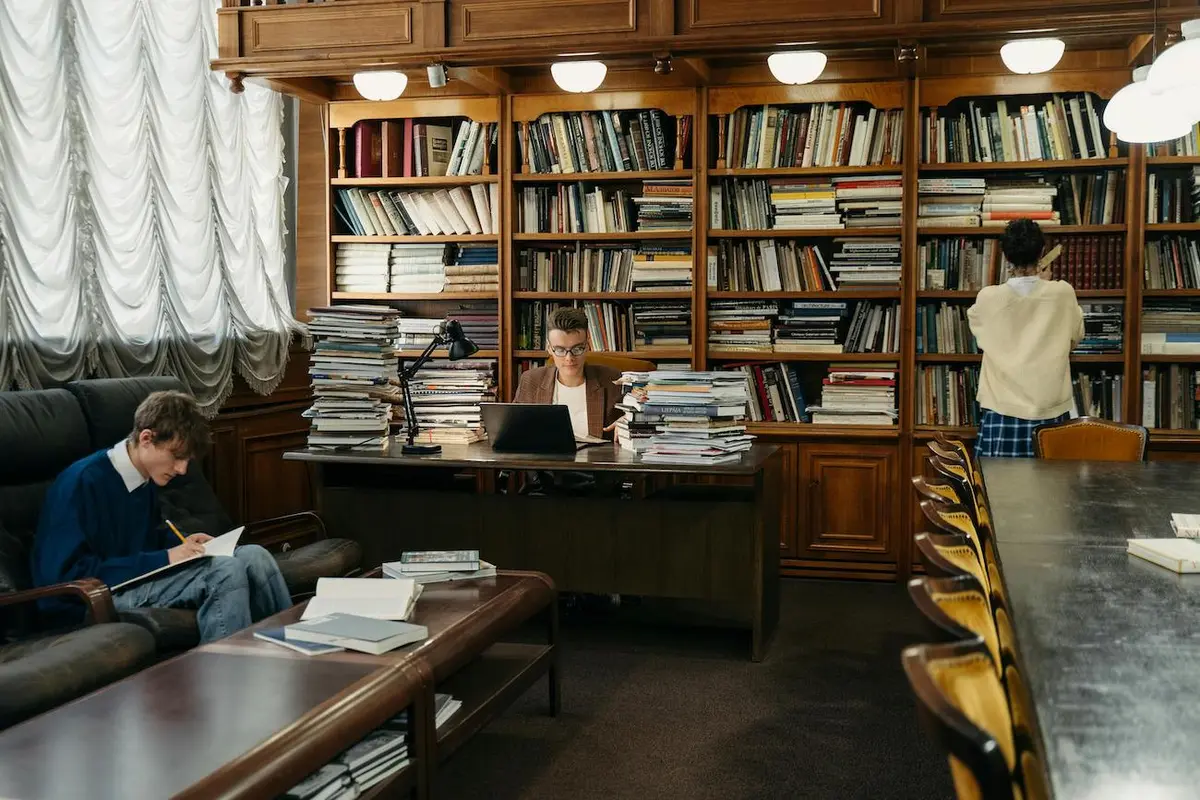
Sweden’s high level of investment in education and leading status in many disciplines has long attracted international academics. They relocate here to develop their careers in what is widely considered an innovative, collaborative research environment, and to contribute to Swedish research and innovation.
Despite this hard-earned reputation, there is a need to take action to strengthen and preserve academic freedom, according to SULF (the Swedish Association of University Teachers and Researchers).
Working in academia in Sweden? Find out what union SULF can do for you
The union, which represents the interests of those working in the higher education sector, supports individuals through schemes like income insurance, employment and legal advice. Together with other Swedish unions and trade organisations, SULF is also pushing for a change in the constitution to strengthen protections of academic freedoms.
“Researchers, along with groups like journalists and artists, are at the forefront of democracy,” explains Karin Åmossa, Head of Policy and International Affairs at SULF. “When we discover that there are challenges, we have to fight back at an early stage.”
Currently, the constitution sets out the freedom of scientific research, but doesn’t explicitly protect the freedom of higher education or the freedom of universities and institutions themselves.
This is a crucial distinction. In the current framework, many Swedish universities are government authorities, which means their independence depends on political priorities remaining separate from academic decision-making.
“In an international comparison, we have very detailed goals set out by the government,” explains Karin Åmossa,. “So there is very little freedom to do anything other than what is in the higher education ordinances.”
She tells The Local that this set-up is often described as “fair weather governance”: it works well when political conditions are stable, but leaves the sector vulnerable should that change.
There have already been examples of the Swedish government asserting its authority. One notable occasion was when migration minister Johan Forssell gave two Swedish universities the task of developing a test for Swedish citizenship, something the university leadership disagreed should be part of their duties. While this may seem minor, it does highlight the vulnerability of the sector to changing government priorities.
Åmossa says the work to strengthen the autonomy of higher education institutions has become more urgent as she and her colleagues observe global developments.
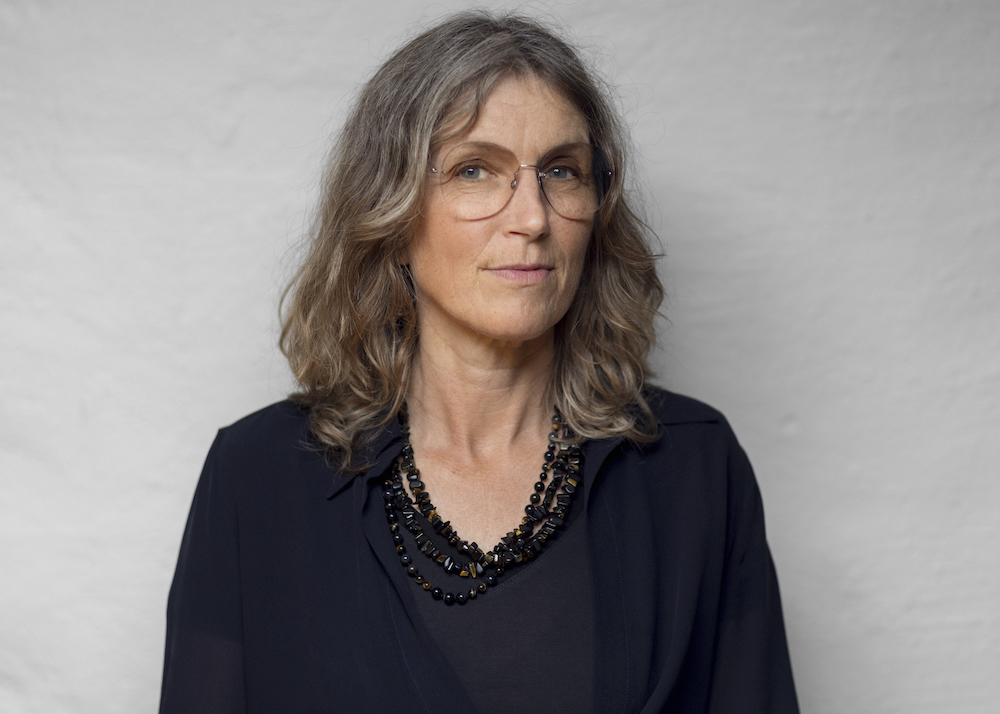 Karin Åmossa, Head of Policy and International Affairs at SULF.
Governments in other countries have moved to restrict academic freedom through funding and regulatory pressures, sometimes acting swiftly. In the United States, President Donald Trump has frozen funding to institutions in response to their actions over student protests, among other issues. In Hungary, the environment became so hostile that the Central European University was pressured into relocating.
Less acute, but still concerning developments have taken place elsewhere in Europe. The previous Polish government was accused of leveraging funding to put pressure on institutions, while recent legislation around free speech and activism in Denmark and the UK have raised concerns around self-censorship in universities.
It is clear that even in democratic nations, no country is immune to threats to academic freedom, and in Sweden this is not just a theoretical issue. In fact, a 2024 report by the Swedish Higher Education Authority (UKÄ) found that half of university teachers and researchers believed academic freedom in Sweden was challenged. When asked what the biggest factors behind that were, they were most likely to cite political influence or reliance on external funding.
Learn more about SULF and how you can benefit as a member
In comparison to other countries, the proportion of Swedish academics with secure permanent positions is low. The majority are reliant either on temporary contracts being extended, or the ability to secure external funding for their work through competitive and often short-term grant cycles.
One of them is Marco Chiodaroli, a researcher in theoretical physics who moved to Sweden in 2016.
“I don’t think you can separate academic freedom in the abstract from the working conditions and career prospects of the people doing academic work; the working conditions have an effect on what kind of questions researchers will explore,” Chiodaroli says.
“These structural issues are relatively recent, and these are changes which will change academia forever and we are not prepared for that.”
The freedom for researchers to choose original, relevant areas of study – helping them to promote new understanding and drive progress in a wide range of fields – is crucial for sustaining a well-informed and innovative society.
Yet the widespread nature of short-term contracts and reliance on temporary external funding could risk narrowing the scope of research, incentivising focus on questions which can yield decisive results within two or three years – the length of a typical grant cycle. In the worst case scenario, the need to secure funding could even lead researchers to self-censor, turning away from original or contested topics.
Chiodaroli explains to The Local why this is a problem: “To state the obvious, research is about risk-taking – and the question is how much of that risk should fall on the individual and how much should fall on the institutions. Research always involves trial and error”.
Chiodaroli is part of the local branch of SULF, and says that joining a union is one of the ways researchers can ensure their voices are heard.
“You feel overwhelming challenges, and then you reach out to others and realise these are not just your challenges,” he says.
While academic work itself can often be solitary, protecting the right to research freely requires collective effort. This is at the heart of SULF’s work; ensuring that Sweden’s university teachers and researchers can carry out their job in a secure work environment, assisting individuals and supporting the sector as a whole when it’s needed most.
Find out more about SULF, the Swedish union for university teachers and researchers
This content was paid for by an advertiser and produced by The Local's Creative Studio.
Join the conversation in our comments section below. Share your own views and experience and if you have a question or suggestion for our journalists then email us at news@thelocal.com.
Please keep comments civil, constructive and on topic – and make sure to read our terms of use before getting involved.
Please log in here to leave a comment.
Comments