
From the twinkling lights of Christmas markets to the thunderous celebrations of New Year’s Eve, Germany’s winter holiday calendar is packed with events and activities that brighten the darker part of the year.
The start of the Advent is when the celebrations really begin in earnest, with families gathering to bake biscuits, light candles and prepare for Christmas.
Festivities then continue through Christmas Eve, Christmas Day and into the New Year, with each stage bringing its own quirks and customs.
So how do foreign residents experience these moments?
In a brief survey we asked our readers about their habits and traditions around the winter holidays. Here’s what they had to say.
Staying in Germany for the holidays
Many readers said they choose to remain in Germany during the winter break. They suggested that its more convenient than flying elsewhere and they enjoy participating in some of the local traditions.
Julie in Hamburg said that between the demands of her husband’s work and two small kids, “travel is a big hassle [so] we usually spend the holidays at home here in Germany with our nuclear family. As a third culture family, we blend traditions from our childhoods with some local traditions to create something unique to our family.”
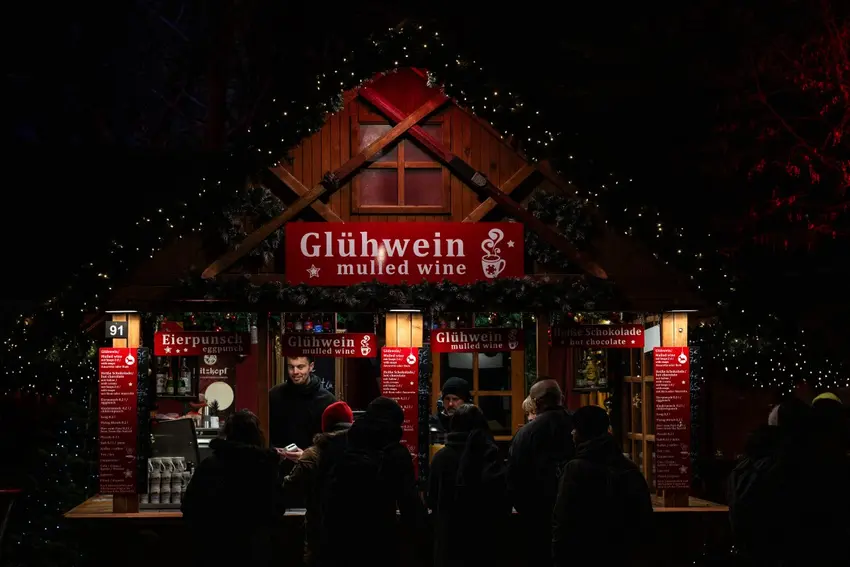
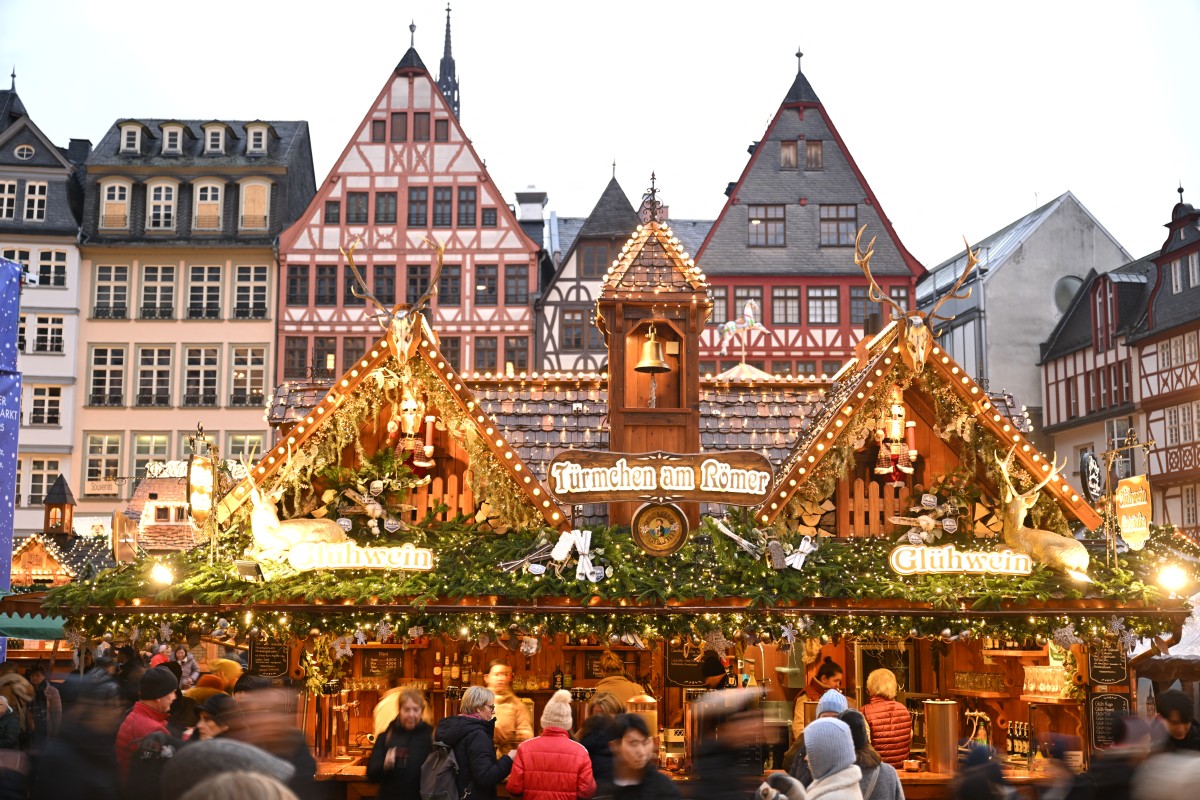
Germany’s Christmas markets were picked out by a number of respondents as a clear highlight of the season, with their festive atmosphere and seasonal treats.
But Julie added a few others, including: “lantern walks...advent calendars, the Santa train, Nikolaustag...cookie baking and decorating, choosing a Christmas tree and decorating it – then tossing it to the curb with all of our neighbours.”
READ ALSO: Christmas calendar - All the German holiday traditions you wont want to miss
READ ALSO: Five unforgettable experiences to try this winter in Germany
For anyone not familiar with St. Nicholas Day (Nikolaustag), on December 6th children across the country polish their shoes and leave them in front of the door overnight, hoping to find them filled with sweets and treats the following morning.
St. Nicholas is the patron saint of children and, according to most accounts, the primary model for Father Christmas, although he generally operates alongside the Wiehnachtsmann these days.
Among the most popular places to visit in Germany during the festive period are some of the country's bigger cities like Berlin, Dresden, Munich and Nuremberg. All of which are home to world famous Christmas markets.
However, Vinnie, who lives in Kreis Offenbach, recommends the Black Forest.
Holiday travel
For many foreign residents in Germany, the winter holidays are a chance to embrace the season’s chill and enjoy outdoor activities beyond the usual Christmas festivities.
Dmitry, 36, from Düsseldorf, wrote that he plans to take a “ski holiday in Austria” and that he enjoys going “anywhere with snow and the possibility of skiing” during this period.
READ ALSO: The ski destinations you can reach by train from Germany
Others, however, see the winter holidays as an opportunity to get as far from the cold and snow as possible.
“I like to travel, and will stay the whole winter in East Asia,” said Kevin Baumgarten, 35, from Munich.
Another, anonymous respondent noted, “I usually enjoy Christmas markets before Christmas, but when the holidays set in, I like to travel anywhere sunnier for two weeks.”
The downside of New Year’s Eve celebrations
Not everyone loves the festive season in Germany. For example, a few respondents dissed Germany's Christmas markets: one said they thought they were "too dangerous", whereas others found them tiresome and expensive.
“I used to visit Christmas markets earlier, but it's basically the same thing repeated year after year, and the prices have gone up significantly, so I just tend to visit them once or twice,” wrote Vinnie.
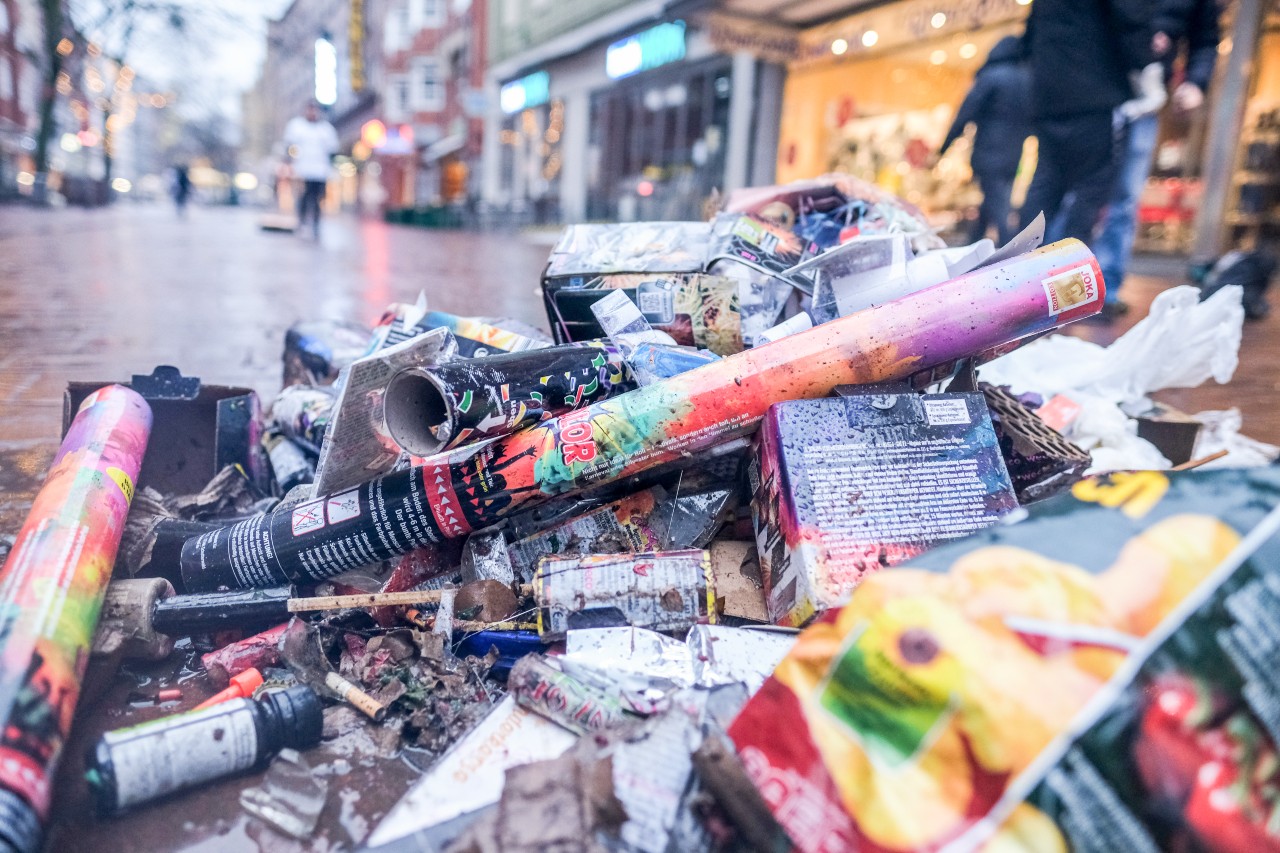
But the most divisive event in Germany’s festive calendar by far is New Year’s Eve – and specifically the country’s enthusiastic embrace of fireworks at this time of year.
READ ALSO: What are the rules for setting off fireworks in Germany on New Year's Eve?
“I hate New Year’s in Germany. It is World War III,” wrote one anonymous respondent.
Numerous readers shared similar sentiments, with some saying that they intentionally travel beyond their home cities to avoid the fireworks on New Year's Eve.
Kevin Baumgarten wrote that his “pet is so scared of fireworks that we run away to Brandenburg.”
“I want to be as far away as possible from fireworks, which usually means travelling to a quieter place,” agreed Dmitry.
“I hate the fireworks,” wrote Julie, “the noise, the lights, the taste of gunpowder in the air and the people who seem to be unaware that New Year’s Eve is only one day. Give me a nice family dinner, an early bedtime and a fresh start to the year every time.”
'Raunächte'
In Germany, New Year’s Eve is known as Silvester, after Pope Silvester I who died on December 31st, 335 AD.
When the Gregorian calendar was introduced in 1582, the date of his feast day became the last day of the year fixing December 31st as New Year’s Eve.
But the wild celebrations in Germany may have in common with an older pagan tradition called Raunächte or “twelve smoky nights.”
These were the twelve nights between Christmas and Epiphany, believed to be a spiritual time when wild spirits roamed the earth and loud noises, firecrackers and other rituals were used to frighten them away and bring good fortune for the coming year.
READ ALSO: Why on earth do Germans call New Year's Eve Silvester?
Despite these longstanding traditions, these days it’s not just newcomers who find Germany’s wild Silvester celebrations a bit too much.
A recent survey by BerlinTrend revealed strong support for banning private fireworks on New Year’s Eve in the capital.
According to the poll, about 75 percent of Berliners would favour a firework ban, with just 21 percent against.
The festive season is about more than just New Year's Eve, however, and can be enjoyed in countless different ways.
Whether you prefer to dip in and out, kick back or stay active, travel or stay close to home, you’ll find plenty of options to make the holidays memorable.
Whatever your style, Germany’s winter traditions offer something for everyone.
Comments