
A new startup has announced plans to set-up overnight rail connections between numerous central European cities, with passengers riding in private cabins and for a price comparable to a plane ticket.
Nox, a Berlin-based startup with ambitions for revitalising night train travel has said it will launch its first services by 2027.
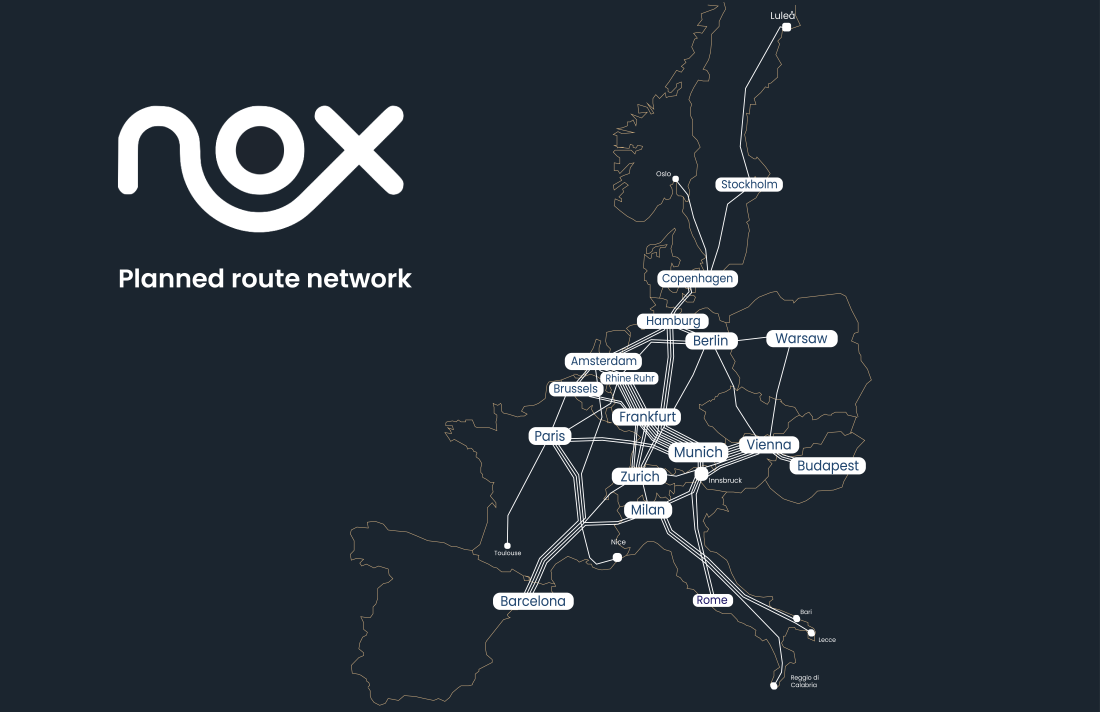
The company suggests it will ultimately serve more than 100 cities on 35 routes including Stockholm, Copenhagen, Amsterdam, Paris, Rome and Barcelona within a decade.
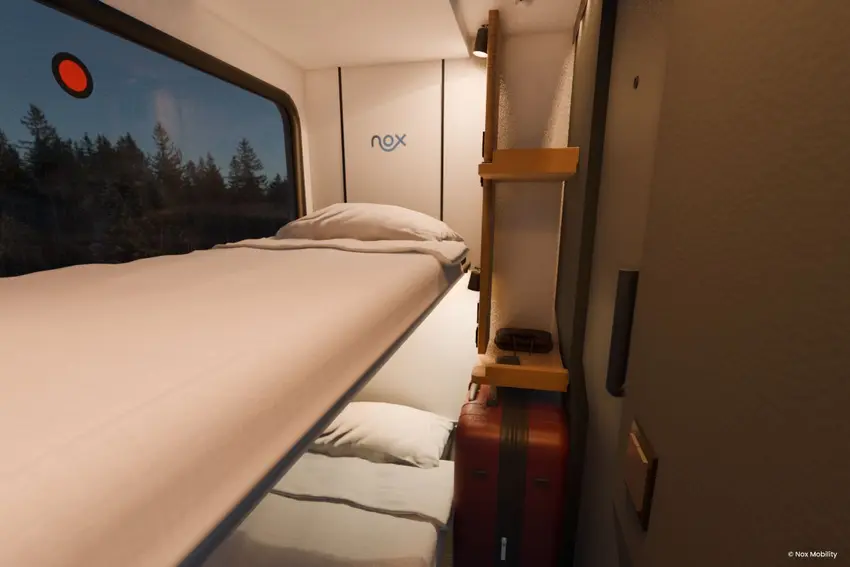
Setting themselves apart for competitors on the market today, Nox plans to build up a new fleet of trains with one- and two-person sleeper compartments.
"Today people have to share their cabins with strangers, beds are tight, and it's often more expensive than air travel," Thibault Constant, Co-Founder of Nox said. "We want to change that and make night trains an essential part of European travel."
According to a press release by the company, all of the passenger cabins in Nox's trains will have two metre long beds, separate seats with tables, and enough space to stand up and store your luggage. Nox also said it plans to offer double beds and beds with panoramic windows.
READ ALSO:
- The destinations you can reach by direct night train from Berlin
- The destinations you can reach by direct night train from Munich
A challenging enterprise
A number of private rail companies have tried to take advantage of increasing demand for night train connections in Germany and Europe, but so far none have seen wild success.
A Paris-based startup launched in 2021 with a similar mission failed to get enough investor backing to take-off. Similarly, a Dutch company recently had to push back its plans after a being rejected for an initial loan.
Another night rail enterprise, European Sleeper, has managed to start operating night trains linking Brussels, Amsterdam, Berlin and Prague since last year. But the company has faced challenges trying to expand its connections on offer.
However, interest in revitalising night train travel has picked up around Europe in recent years with Germany's Deutsche Bahn and France's SCNF also making some efforts to expand night-time services.
At the EU level as well, lawmakers in Brussels have taken on the task of bringing various countries' standards into alignment, and to reduce hurdles for would-be international rail operators.
Comments