
Inside Germany is our weekly look at some of the news, talking points and gossip in Germany that you might've missed. It’s published each Saturday and members can receive it directly to their inbox by going to their newsletter preferences or adding their email to the sign-up box in this article.
Election campaign heats up with fake cake, deleted tweets and Elon Musk
As politicians have returned to work this week following the new year's holiday, campaigning ahead of the February 23rd election has been ramping up.
At the start of the week, we had Christian Democrat (CDU) leader and conservative chancellor candidate Friedrich Merz taking aim at foreigners and vowing to dismantle the dual citizenship law if the Union gets into power. He will have some trouble with that, though, if his coalition partners are the Social Democrats (or indeed the Greens or FDP) who brought in the reform last year.
Meanwhile, another CDU politician, Julia Klöckner, made headlines when she appeared to compare her party to the far-right.
In a now deleted post on Instagram, Klöckner tried to persuade voters of Alternative for Germany (AfD) to return to the CDU - by promising that her party would give them what they want.
The post read: "You don't have to vote AfD for what you want. There is a democratic alternative: the CDU."
Also on Thursday, former Finance Minister Christian Lindner of the Free Democrats got an unwelcome surprise when he received a cake made of soap in the face during a campaign event in the city of Greifswald.
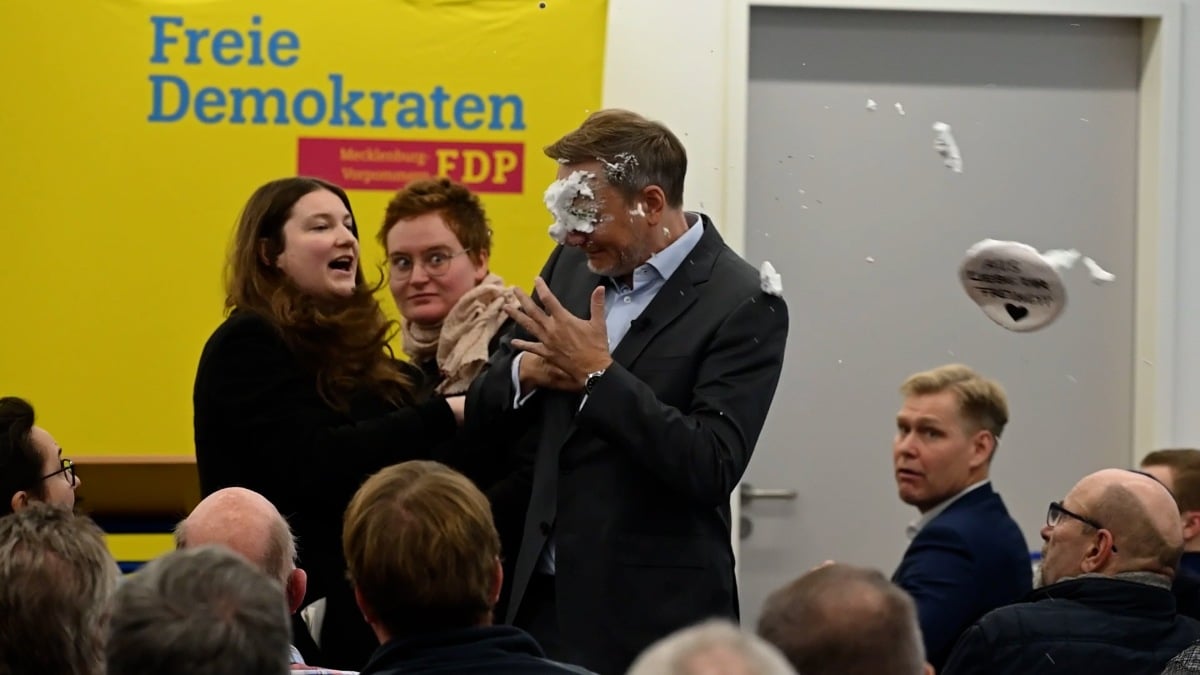
Lindner had a sense of humour about the incident, saying he was disappointed that it wasn't real cake.
But the incident has been condemned by political parties. Charges were filed against a 34-year-old woman from the Left Party on suspicion of assault and insult, a police spokesman confirmed.
To round off the week's election news, there was an exceptional case of misinformation in which the AfD claimed that the Nazi's Adolf Hitler was a communist.
It came during the AfD's chancellor candidate Alice Weidel's livestream chat with US tech billionaire Elon Musk on Thursday.
Despite taking on the role of the incoming US President's right-hand man, Musk clearly has too much time on his hands and feels the need to meddle in Germany's elections. During the chat he doubled down on his support for the AfD, and the pair made some clearly false and misleading claims.
One of the strangest things to come out of the interview was Wiedel saying that Hitler was not head of a radical far-right outfit - but was instead a communist. That is not true. The Nazi party may have had “socialism” in their name, but the party did not stand for socialist policies. Many supporters of socialism and communism were persecuted in the regime.
As Paul Krantz wrote in our fact check this week: "German communists, socialists and trade unionists were among the early opponents to Nazism and therefore were also among those sent to concentration camps and murdered."
FACT CHECK: The false claims made during AfD's German election interview with Musk
Sick leave row
Another of our big stories this week has has been the calls from German business leaders to reform how sick pay works.
Allianz CEO Oliver Bäte said in an interview with Handelsblatt on Tuesday that Germany should reintroduce a waiting day for sick leave.
That would mean that employees who call in sick from work would not be paid by their company for their first day of illness.
Those who advocate for a waiting day for sick leave seem to be business representatives who suggest that it saves costs for companies and discourages workers from taking unnecessary time off.
"Germany is now the world champion in sick leave,” Bäte said in defence of the idea.
What do you think?
Queues for kebabs
If you thought Berlin's club Berghain had the longest queues in Germany, wait till you see the excitement for this new kebab shop in Freiburg.
A new kebab shop has opened. That’s quite some queue! ? #freiburg
— Dr D (@bexxi.bsky.social) 9 January 2025 at 14:59
[image or embed]
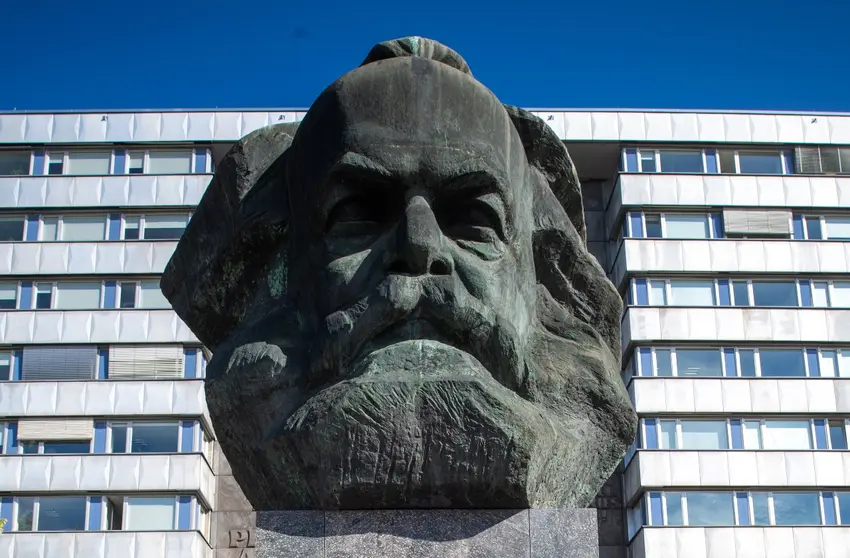
Chemnitz in the spotlight
Lastly, we are turning our attention to the eastern city of Chemnitz.
After making headlines across the world in 2018 due to violent anti-foreigner riots, the city is reinventing itself as a European Capital of Culture this year.
The year-long programme will see various museum exhibits, music, talks, theatre, film and dance shows taking place across the Saxon city.
Chemnitz mayor Sven Schulze of the SPD told AFP: "Chemnitz is a city that often finds itself in the shadows, that is underestimated, that has experienced many disruptions in recent decades.
"As a Capital of Culture, we want to shine a spotlight on this city, on its unseen potential, on its people."
Comments