
The long and drawn out winter in Germany is a struggle.
But one thing that cheers everyone is up is huddling next to each other at a Christmas market with a Glühwein (mulled wine) and a sweet snack.
It's no wonder that Germany's Christmas markets (Weihnachtsmärkte) are world famous, attracting visitors from across the globe.
Traditionally, most Weihnachtsmärkte in German-speaking regions start around or after the weekend of ‘Eternity Sunday’ or ‘Sunday of the Dead’, known as ‘Totensonntag’ in German.
'Totensonntag’ is a Protestant religious holiday, usually celebrated on the last Sunday before Advent and is a time to remember those who have died.
This year, ‘Totensonntag’ takes place on November 24th, while the First Advent Sunday is on December 1st.
Although it's only November, some markets have already started their season or will open soon. A few even extend their opening into the new year so there is plenty of time to check them out.
Get on your gloves, hat and a cosy jacket and prepare to enjoy Germany's 'winter market' (Wintermarkt) season.
READ ALSO: 5 things you need to know about German Glühwein
When are Christmas markets opening?
Berlin is host to many festive events throughout winter, including the Winter Wonderland on Potsdamer Platz, which has been open since November 1st. Other early openings are the Lichtenberg Wintertime (Lichtenberger Winterzeit), which also opened on November 1st.
The LGBTQIA* Winterdays and Christmas Avenue in Schöneberg opened November 8th.
You can expect most other Berlin Christmas markets to open on November 25th, including the Gendarmenmarket 'Christmas magic' on Bebelplatz, as well as the Christmas markets at Alexanderplatz and Charlottenburg Palace.
Germany's most populous state of North Rhine-Westphalia is also seeing a few early openings this year. For instance, the Christmas market in Essen-Steele opened on November 2nd.
Other dates to keep in mind include November 14th for the Duisburg Christmas market opening and the Dortmund Christmas market on November 21st.
In Cologne markets are opening up from November 15th, while the famous Christmas market at Cologne Cathedral launches on November 18th.
For those heading east, Dresden's Christmas market, the Dresdner Striezelmarkt, which dates all the way back to 1434, opens on November 27th. The stunning Annaberg Christmas market tucked away in the Ore Mountains opens on December 1st.
READ ALSO: From communism to Christmas - tracing history in Chemnitz
Up north, the ‘Santi Pauli’ market in Hamburg opened on November 11th, while more of the traditional markets in Hamburg open on November 25th.

Frankfurt's Christmas market opens on November 25th, while the Mainz Christmas market opens to visitors on November 28th.
Bavaria is home to some of the most well-known festive celebrations.
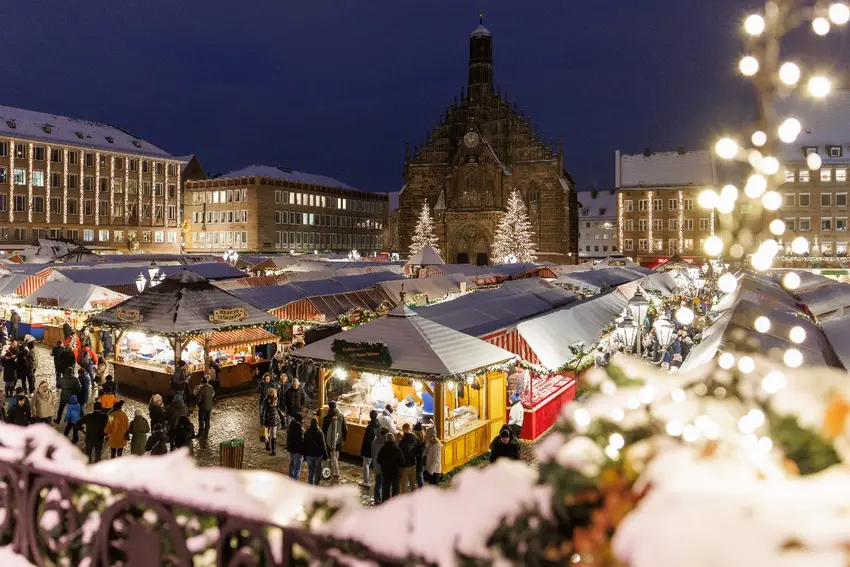
Among the most famous Christmas Markets is Nuremberg’s Christkindlesmarkt, which opens on November 29th.
The Münchner Christkindlmarkt in central Munich, which is believed to date back to the 14th century, opens on November 25th, while Munich’s Tollwood Winter Festival (which is also referred to as the city’s ‘alternative Christmas market’) opens on November 26th.
READ ALSO: 11 events not to miss this November
Among the most famous German Christmas Markets is Nuremberg’s Christkindlesmarkt, which opens on November 29th.
And in Baden-Württemberg, Stuttgart's main Christmas market opens on November 27th, while the Christkindlesmarkt in Augsburg gets ready for crowds on November 25th.
These are just a small selection of markets across Germany. There are plenty others to look out for, whether you're looking for something traditional, local or something more quirky.
Comments