
Over 170 people answered our (non-scientific) survey by the time this article was published, and although there was no clear winner, Sweden’s three biggest cities definitely dominated. That’s probably not a surprise, as those are the places where most foreigners live, but here are some of the reasons our respondents gave for why their city or town was the best.
Stockholm
According to readers, the best things about living in Stockholm – the city which took the top spot by just one vote – include a multicultural atmosphere, good career opportunities, and the fact that it’s a capital city.
“More job opportunities (especially English-speaking ones), means more job security,” an American software developer in Stockholm said.
“There's a more diverse population, which minimises likelihood of facing discrimination, xenophobia, and social isolation,” she continued.
“Finally, Stockholm is well-connected transportation-wise, so it's easier to get home quickly if you need to.”
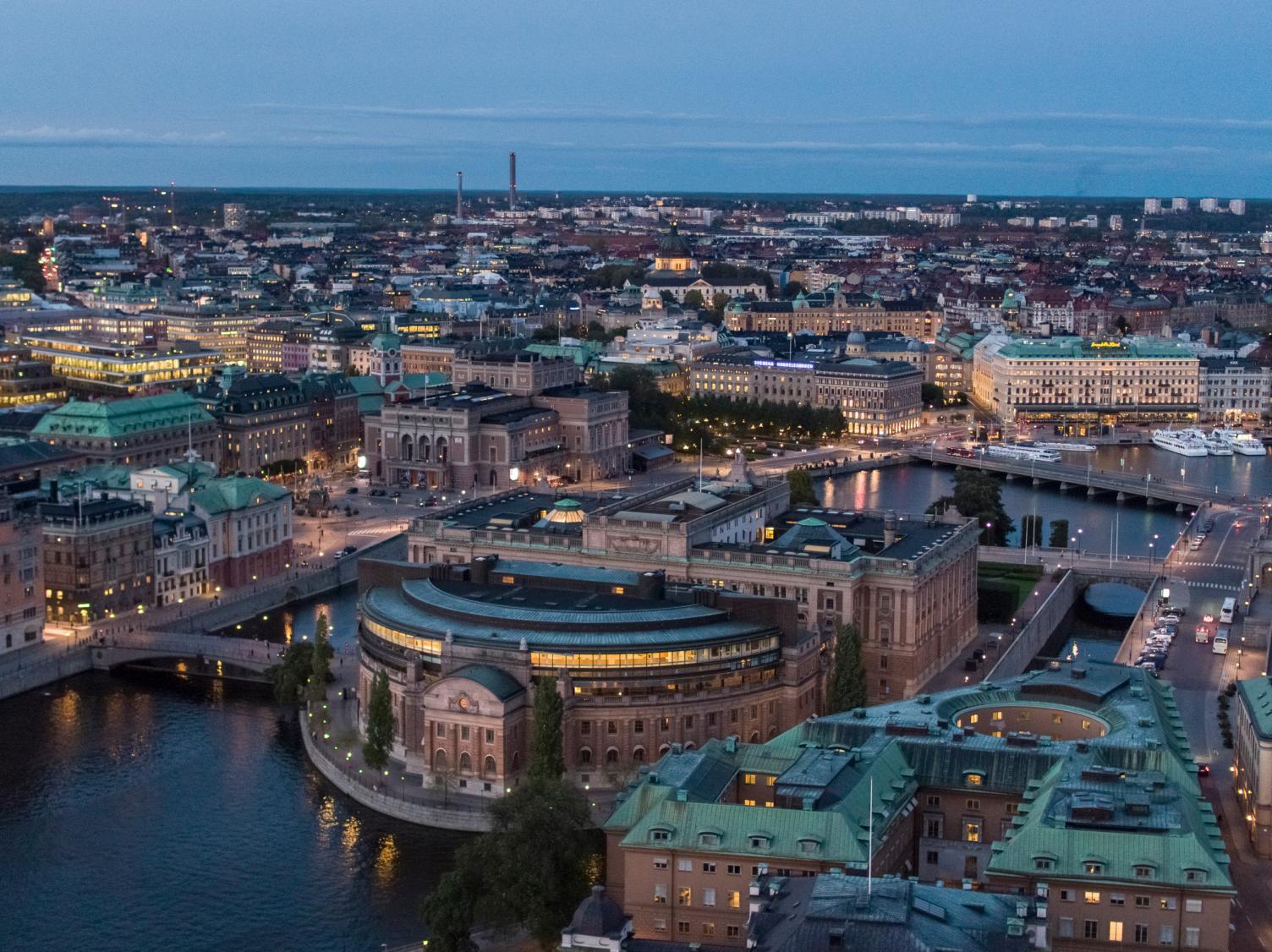
Other readers highlighted the fact that Stockholm is close to nature, as well as cultural buildings like art galleries, museums and theatres.
Advice from those recommending Stockholm included housing-related tips like “brace yourselves, it’s expensive” and “try to live in the centre”, as well as more specific tips on what to do once you arrive.
“Build a network, use social media to explore, know the cost of living, property rent market, join the queue for first-hand house contracts. Apply for kids' schools, apply for SFI,” Amalan George William wrote.
“Carefully consider whether the cold and darkness are things you can handle for about seven months of the year,” the American software developer quoted previously wrote.
“Aim to make friends with other foreigners and Swedes who have moved to Stockholm from somewhere else. Honourable mention would be Swedes who have lived abroad or who have foreign parent(s) and are thus internationally-oriented to some extent. Otherwise you will struggle to break into long-established social circles with locals who have no interest in making new friends, especially foreign ones,” she added.
Gothenburg
Sweden’s second-largest city came in joint-second place alongside Malmö, the country’s third-largest city.
Readers from Gothenburg, like Michael from Hovås, southwest of the city, praised the fact that it is “friendly and compact enough to travel around,” while still having a “cosmopolitan vibe and variety of cultures”.
Uppili, an Indian engineer living in the city, described it as lagom, “not too big and not small either”.
“It’s practically a city without suburbs,” automotive engineer Abhineet said. “That makes anyone feel like they are living in a nice place.”
Abhineet also described the locals as “much friendlier” than elsewhere in Sweden, while adding that there is a “vibrant international community and a good art scene.”
“If you are one of those people who like to go out there are plenty of things to do and you will find plenty of things happening in English,” he said.
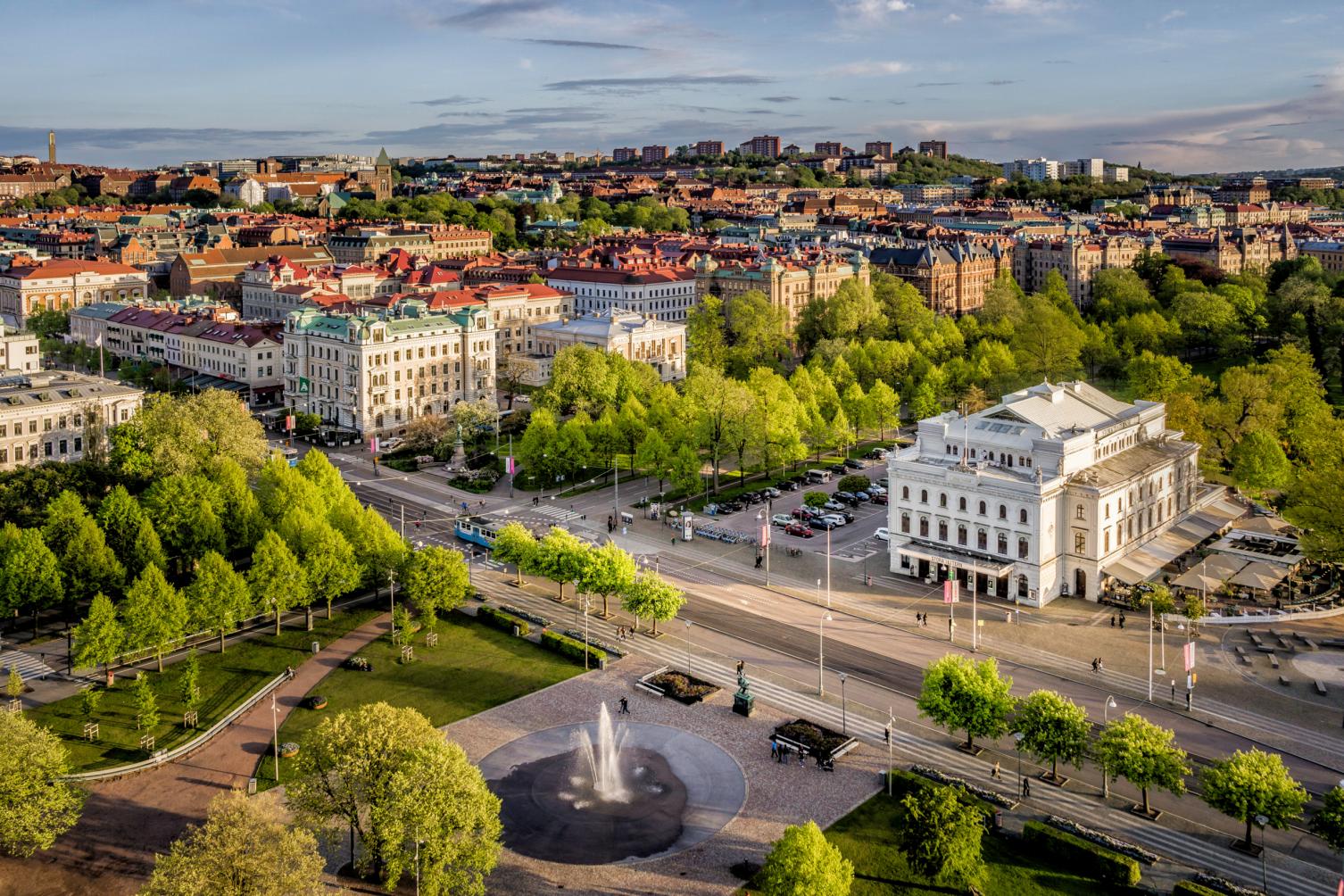
Gothenburg was also praised for its nature, with one respondent, a research scientist living in Mölndal, writing that it has “beautiful lakes and hills”.
A reader named Aleksandra praised the city for its “nature and islands”, as well as the public transport connections, in particular the airport and “fast train to Stockholm”.
Aleksandra also said that she believes the city will become much more popular in the next five years or so, recommending that people try and move to Gothenburg sooner rather than later.
“You can already see the impact on the rental prices,” she added.
Having said that, a number of respondents also said that an advantage of Gothenburg is the fact that it’s less eye-wateringly expensive than Stockholm.
The main downside appeared to be the weather.
“It’s totally worth it if you’re OK with all the rain we get,” wrote Chirag from Bangalore, quoting a common saying from Gothenburg: västkusten är bästkusten or "the west coast is the best coast".
Malmö
Malmö came joint-second in our survey alongside Gothenburg.
As far as Sweden’s third city is concerned, many respondents praised it for its proximity to another city, the Danish capital of Copenhagen, which can be as close as 20 minutes away depending on where in the city you live.
This wasn’t just because of the benefits of being in a smaller city (with lower prices) while being next to a major capital, but also the fact that Copenhagen airport is a major international hub.
“It’s just 15 minutes by train to Kastrup airport and 30 mins from Copenhagen, the greatest city in Europe,” a communications professional living in Malmö and working in Denmark wrote.
There are many people living in Malmö who commute to Copenhagen and work for Danish companies, something which she also recommended.
“If you’re looking for work, also look in Copenhagen. It’s a more dynamic, international business environment and an easy commute. Also, salaries are usually higher due to the current exchange rate.”
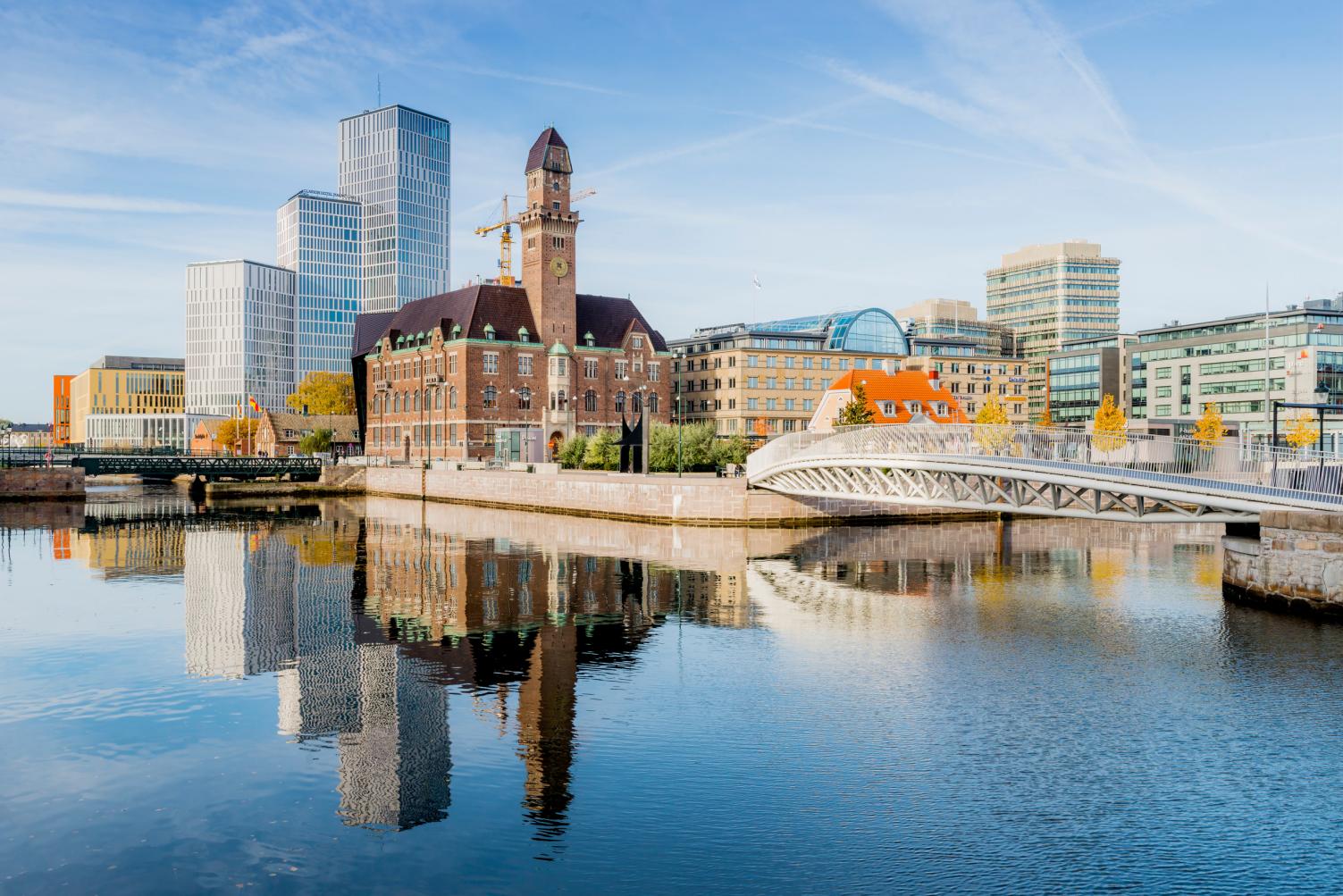
“There are lots of other foreigners here, and then even more in Copenhagen, so it's a great melting pot,” a self-employed man living in Malmö wrote.
He wasn’t the only one to praise the city for its international atmosphere.
“Malmö has over 180 nationalities so whether it's finding your favourite food, or connecting with people with the same background, you will find it here,” British consultant Stephanie Darvill wrote.
“It has a lively culture with lots of cultures intertwining and living next to each other (unlike Stockholm which, in my opinion, is multicultural but segregated),” she added.
As with Stockholm and Gothenburg, Malmö was praised for its nature, with readers citing its “nice beaches” and “good outdoor activities” alongside the fact that it has “milder weather” as big plus points.
Most of the advice from people living in Malmö was more general advice about living in Sweden, like tips to learn Swedish, accept that it can be difficult to make Swedish friends and research in advance which areas you might want to live in.
Finally, Brit Stephanie told foreigners wishing to move to Malmö to “embrace the falafelrulle!”
Lund
Lund in southern Sweden came next on the list, with many respondents again citing its proximity to Copenhagen as a good reason to live there.
Unlike Malmö, Lund is a university town, which a number of people appreciated.
“[It’s a] small university town with high quality of life, large international community and a vibrant private sector,” a Swiss professor living in the city wrote.
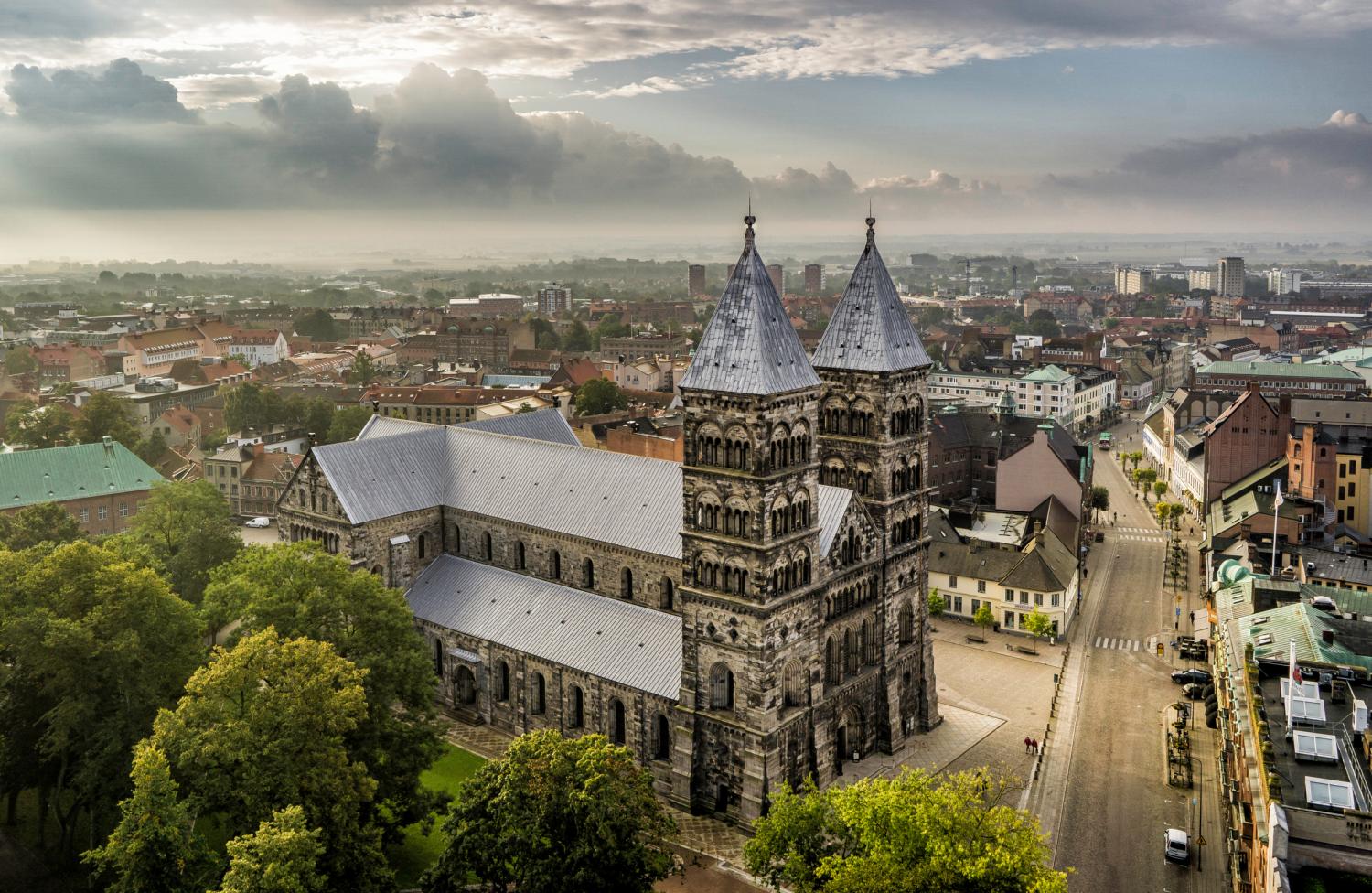
A female researcher working in Lund described it as “small but not too small” and “close to the rest of Europe”.
Lund was also praised for being “safe”, “international” and “great for kids”, with good international schools, although respondents were divided as to whether the ebb and flow of the university year was a good thing or not.
The major drawbacks were the grey winters (as southern Sweden doesn't get much snow) and the cost of housing, with a number of people living in Lund advising future prospective residents to plan ahead and “have a good and stable income” in order to find affordable housing.
Which other cities were on the list?
After Lund came Helsingborg, Solna and Uppsala with an equal number of votes.
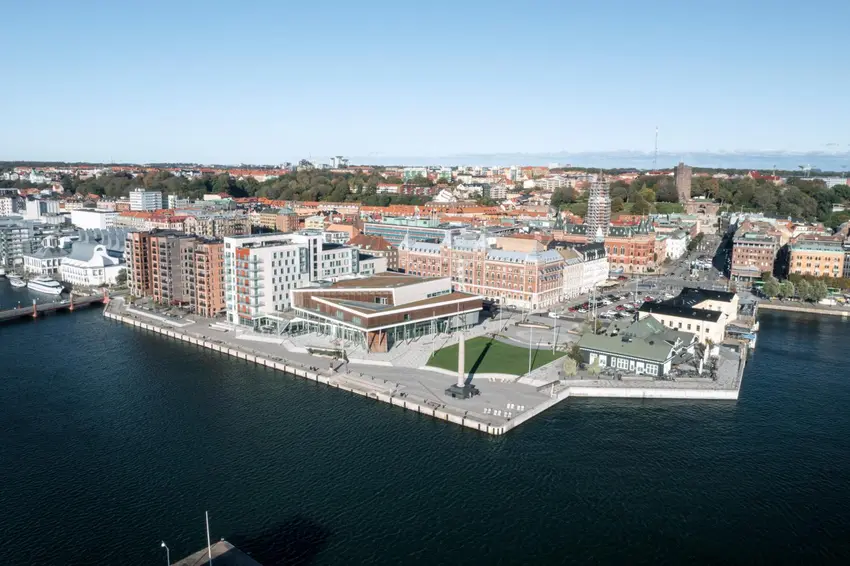
Helsingborg (featured in the main photo on this article) was popular due to its proximity to Denmark – it takes 20 minutes by ferry to Helsingør, and has a direct connection to Copenhagen on the train.
It was also highlighted for its affordability and size, with an IT professional living in the city saying there were “many activities accessible within a short distance”.
An American student who recommended Helsingborg advised prospective new residents to “make sure you research the neighbourhood you live in to determine if you need a car or not”.
Solna was popular due to its “affordable housing” and the fact that it’s close to Stockholm.
A 36-year-old Swede working in Stockholm recommended that foreigners looking to move to Solna make sure to choose an apartment close to a metro or commuter train station.
“There are plenty of parks where you can walk or run,” a Moroccan software engineer said. “It also has one of the lowest municipality taxes in Sweden.”
“There are plenty of other foreigners there so everyone is comfortable speaking English,” he added.
It wasn’t all good news though. The same engineer said that it may be hard and expensive to find a place to live, and that you may have some unwelcome neighbours…
“There are rats roaming around in late summer and the beginning of autumn,” he warned.
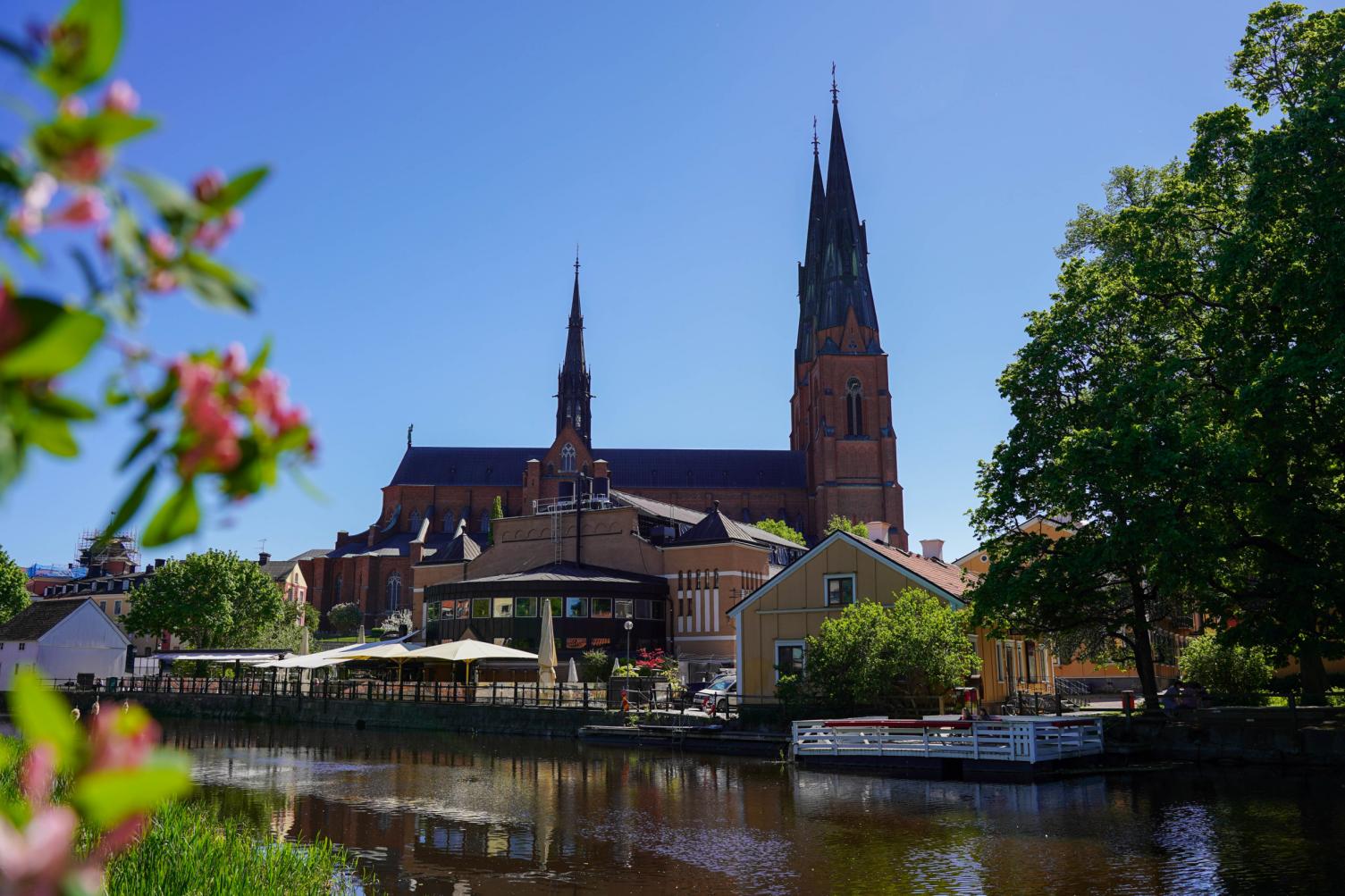
People voting for Uppsala made much the same points as respondents did for Lund – an international student town close to a major city (Stockholm) and a major international airport (Arlanda).
Jol, an Australian living in the city, highlighted the fact that there are “plenty of educational opportunities, as it’s a university town”.
What about the places which only got a few votes?
A number of towns and cities only got a handful of votes, or even just one.
These include Trollhättan, which Edwin from Nigeria praised for being “quiet”, although he warned that you may need to commute to nearby Gothenburg to work as there are more jobs there.
“But it's quite a beautiful city to live with your family, away from the busy city life,” he said.

Another Gothenburg commuter town, Alingsås was recommended as a “beautiful town with low rent”. Austrian Michael Zorez working in the town praised it for having “foreign language meetups in the local library, great selection of restaurants with international cuisine, lots of cafes (as the fika-capital), and a diverse population with a wide range of foreign backgrounds”.
“It’s great to live here for families due to lots of new-build apartments and general city developments, schools, preschools, parks and lakes in the surroundings, also lots of sports and free time activities, I could go on, but I think you get it.”
Raquel Araujo from Brazil cast her vote for Linköping, describing it as “cosy and modern at the same time”.
A teacher in her 60s living in Skellefteå recommended it as a town with “clean air and nature”, as well as a “things-can-only-get-better attitude and a forward-thinking municipality”. This survey was carried out before the Northvolt layoffs, but you shouldn't count Skellefteå or northern Sweden out just yet.
Her advice for living in Skellefteå? “Be prepared to live outside the centre, and be happy with driving on snow if you’re not going to use public transport.”

A pensioner from the Netherlands living in Ljusdal in Gävleborg county praised its “friendly helpful people”, as well as the fact that the city is “not too big”.
“We live in the country,” she added. “Forest, rivers, lakes. Move here if the feeling is right.”
Upplands Väsby, close to Stockholm was recommended as being “good for Indians as there is a big Indian community”, although the same respondent said it is “a bit far from the city”, with public transport to Stockholm taking around half an hour.
An artist in the US hoping to move to Sweden voted for Karlstad due to its “friendly people, walkable town and easy train ride to Gothenburg and Stockholm”.
Kanika, a Canadian NGO worker living in Sundbyberg, recommended the area for having “many people from different backgrounds”.
“As a result they offer great programmes for integration and helping you to get settled,” she said.
“For example, after you have a baby the folks from the library will visit you at home to tell you all about the library and the services they offer as well as give you some books. We have found the municipality really does a good job with cultural events to boost engagement and also with municipal services.”
Staffanstorp in Skåne was praised by Mauricio, a Brazilian supply chain executive, for being “multicultural, close to Malmö and Lund, safe and well-maintained”, with good international schools.
People voting for Älmhult in Småland, praised it for its diversity, due in part to the fact that Ikea is a major employer in the municipality.
“Ikea makes it a global environment with options for people of varied backgrounds,” a 32-year-old Indian working at Ikea wrote.
Luleå in northern Sweden was recommended for being “clean and peaceful”, especially good for nature-lovers.
“Many local associations help with integration,” wrote Sandeep, who works at the city’s university. “These associations are well supported by the municipality. There are meetings organised by the municipalities for such associations once in every quarter to discuss migration related issues.”
We received over 170 responses to our survey, and although we read all of them, we weren't able to include every city on our list. We have instead tried to include a geographic spread of all the municipalities which received votes.
Comments